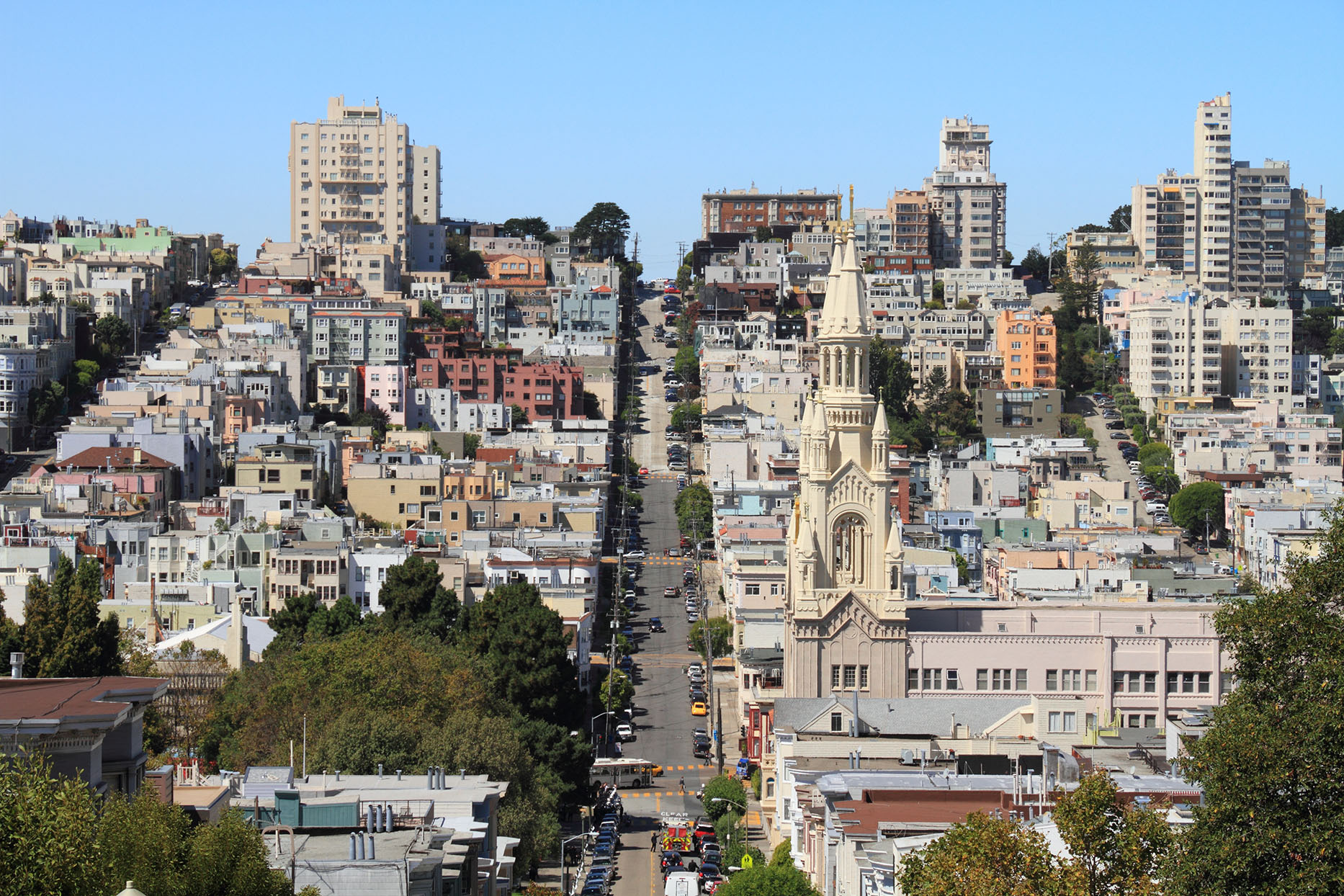
The City and County of San Francisco and FUSE are working together to stabilize roughly 20,000 Single-Room Occupancy (SRO) units in about 500 buildings across the City. SROs date back to San Francisco’s earliest days, when single workers rented rooms with shared kitchens and baths, and the 1981 Hotel Conversion Ordinance marked the City’s commitment to preserving them after demolitions elsewhere fueled homelessness. Today, rising costs, deferred maintenance, and higher vacancies are pushing some operators out, putting the whole ecosystem at risk. Recent work, including a detailed dataset from a departing policy fellow, a Mayor’s Office of Housing and Community Development (MOHCD) report on families in SROs, and a Tenderloin Neighborhood Development Corporation rehabilitation study, gives the City a strong base of information to act on.
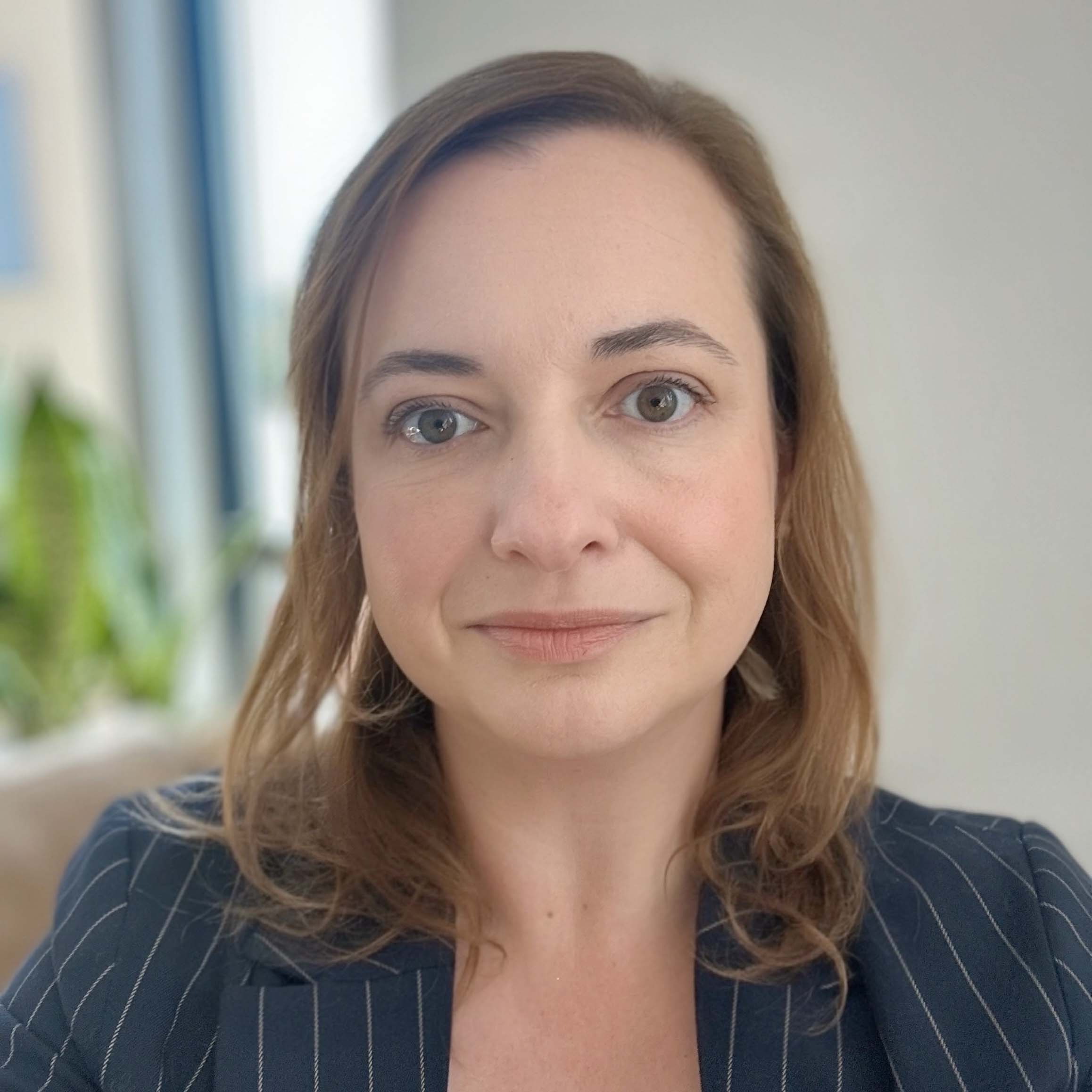
Starting in November 2026, FUSE Executive Fellow Sarah Fishleder will build relationships with MOHCD, the Department of Building Inspection, the Department of Homelessness and Supportive Housing, nonprofit and private operators, and SRO residents, and will work closely with the outgoing policy fellow to ensure a smooth handoff. Fishleder will then assess capital needs across a representative set of buildings and build pro forma models showing how upgrades could be financed and maintained, including tradeoffs like elevator installation versus walk-up units or studio conversions. Using that analysis, Fishlederwill recommend policy and code changes, potentially including draft legislation, that enable upgrades without displacing tenants. By October 2027, deliverables will include capital improvement assessments, financial analysis, a legislation and policy framework, and a living SRO data system the City can keep updated.