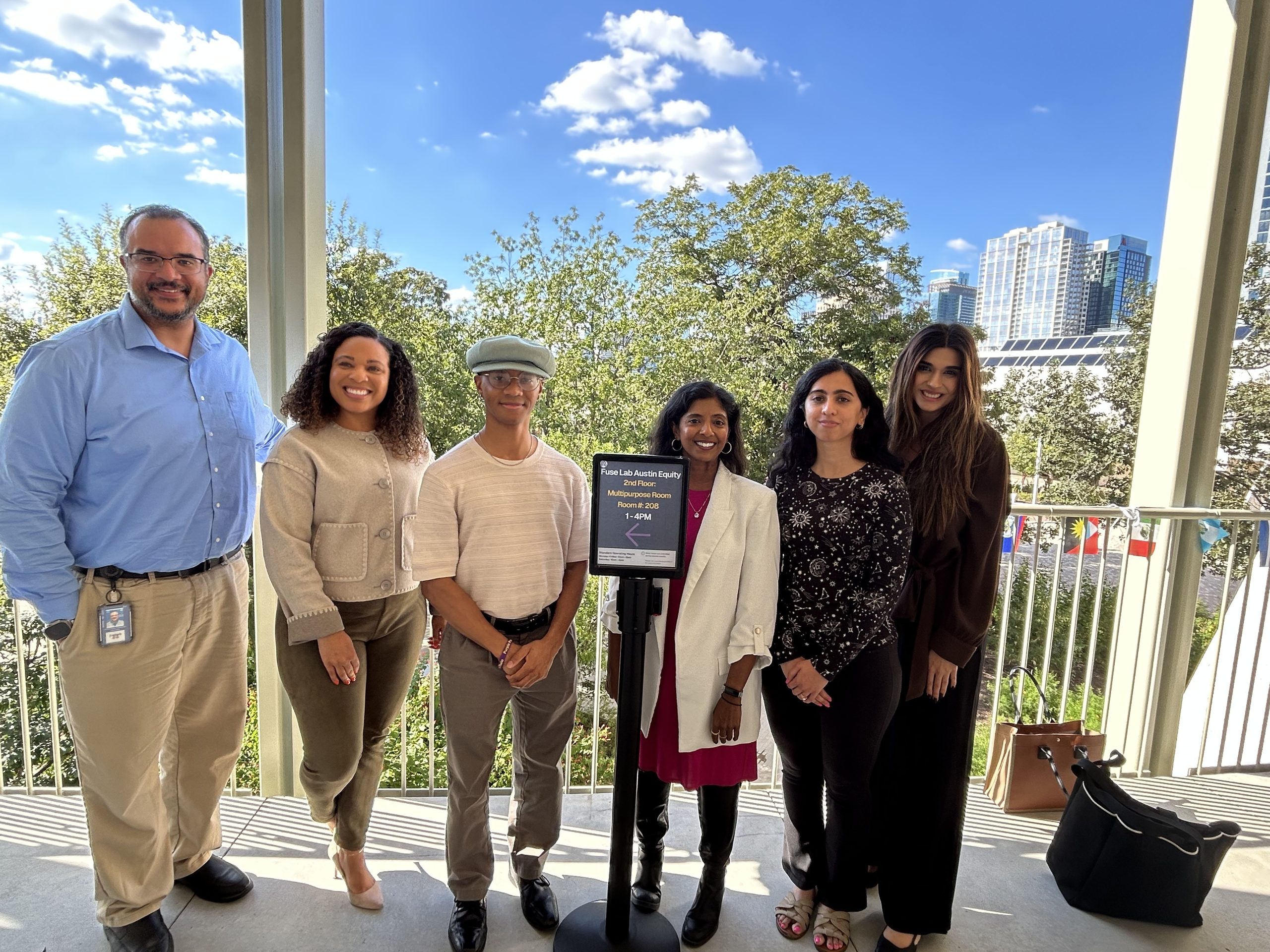
This article was written by Sandy Eapen, FUSE Executive Fellow 2025–2026
Building a Foundation for Economic Mobility
When I began my FUSE Executive Fellowship with the City of Austin, I stepped into a moment of both opportunity and urgency. Austin’s rapid growth has brought prosperity to many, yet too many residents continue to face disproportionate barriers. Approximately 12% of residents live in poverty,* and many experience systemic barriers related to housing, healthcare, education, and economic opportunity.
These inequities are rooted in historical policies. Austin’s historic East–West divide, shaped in part by the City’s 1928 Plan, continues to influence neighborhood conditions and residents’ opportunities to thrive. Addressing these longstanding inequities requires looking beyond individual circumstances to the systems shaping people’s lives.
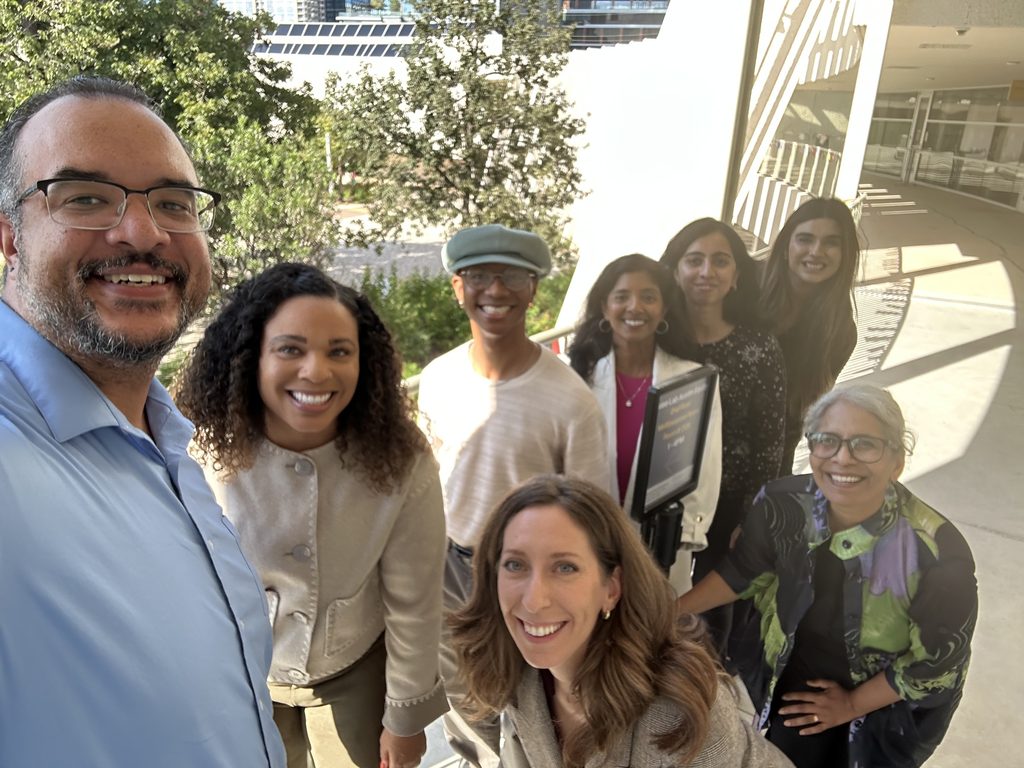
I began my fellowship in the City Manager’s Office before joining Austin Equity & Inclusion, where I gained valuable insights into City operations, built relationships with leadership, and collaborated with a team deeply committed to advancing racial equity.
Together, we focused on establishing a foundation for the City’s economic mobility initiative. Drawing on the Government Alliance on Race and Equity (GARE) approach to normalizing and operationalizing equity, our work emphasized shared understanding, practical tools, and collaboration across departments and community partners.
One of my early priorities was leading the development of Austin’s first citywide definition of economic mobility. Through research, engagement with organizations such as the National League of Cities, conversations across 36 City departments, community input, and collaborative workshops, we developed a definition recognizing that economic mobility is about more than income:
Economic mobility addresses systems to improve unfair conditions that influence whether individuals, families, and communities can prosper over time and across generations. It means access to opportunities and resources needed for basic needs, financial security, and a dignified, high-quality life—regardless of race, place, gender, or ability.
Together, the City’s economic mobility definition and the Levers of Economic Mobility Index (LEMI) establish a shared framework for understanding disparities and informing more coordinated action. Developed by Austin Equity & Inclusion in partnership with Every Texan, LEMI is a neighborhood-level mapping tool informed by decades of community input from Quality of Life Studies and other engagement. It uses 18 interconnected levers across health and well-being, livelihood and work, and access and belonging to visualize structural barriers in Austin’s neighborhoods. The framework is intended to support data-informed decisions and collaboration across City departments and other sectors, including nonprofits, education, business, and healthcare.
To help bring this framework to life, I worked closely with the team to support LEMI’s development, contribute to reports and communications resources, and plan the launch at the City’s Fair Housing & Economic Mobility Conference. I also helped expand awareness and understanding and build relationships through briefings, trainings, workshops, and engagement with City leaders, departments, and community partners.
Why an Innovation Lab—and Why Now?
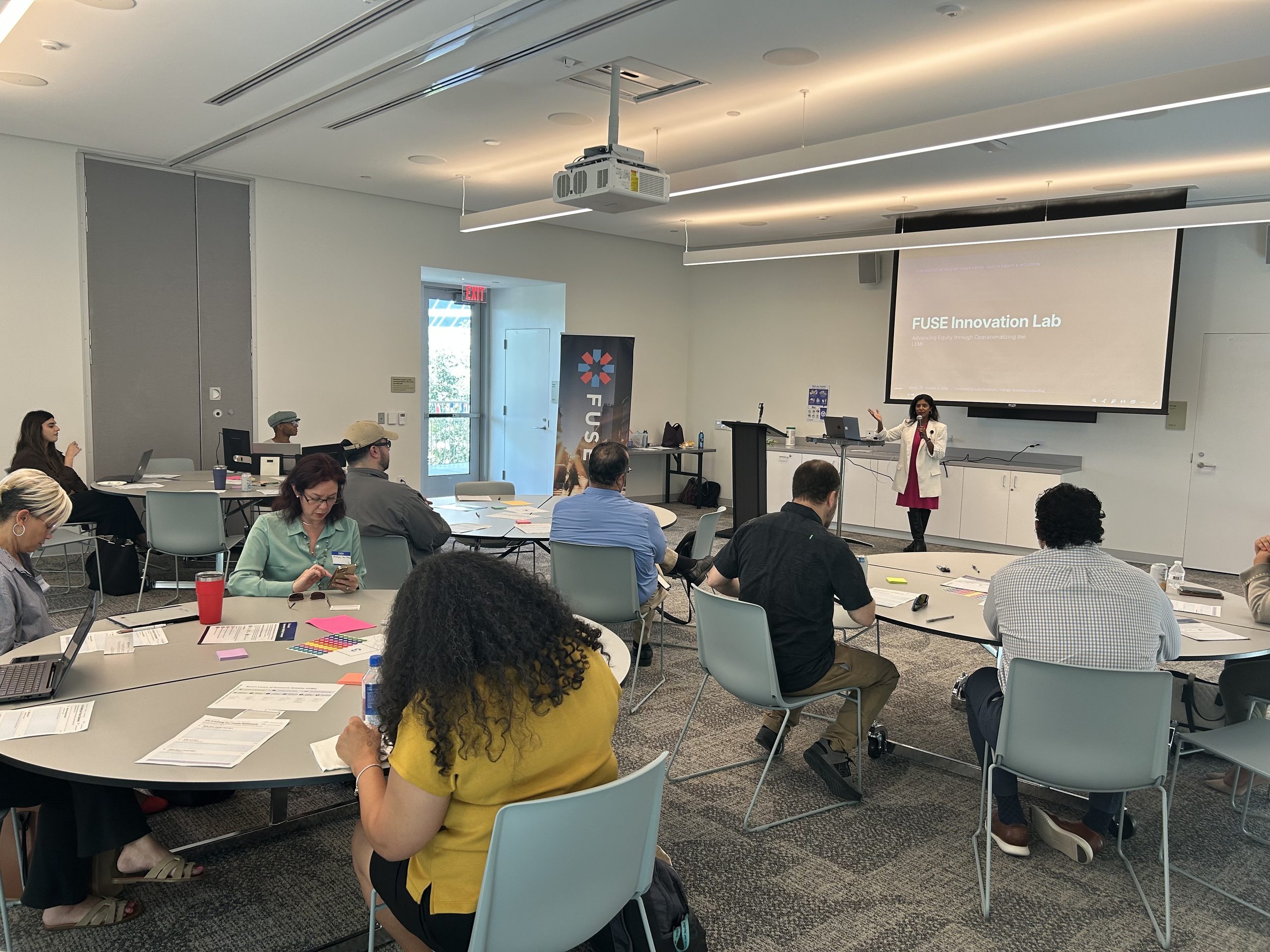
Nearly six months after launching LEMI, an important question emerged: What were we learning from early users and collaborators, and how could those insights help shape the next phase of economic mobility efforts?
The initial rollout generated excitement among City departments, Council offices, community members, and external partners who welcomed a shared framework to strengthen economic mobility pathways. As early LEMI applications emerged, we saw opportunities to better understand what was working, identify challenges, and explore how LEMI could complement community experiences and other data.
I convened the Innovation Lab to bring together early users and partners to reflect on progress, envision a more equitable Austin, and identify the barriers, opportunities, and partnerships needed to advance the work.
The goal was not to finalize a vision or implementation plan in one afternoon, but to create space for candid dialogue and practical insights to inform future priorities and planning.
Bringing Different Perspectives to the Table
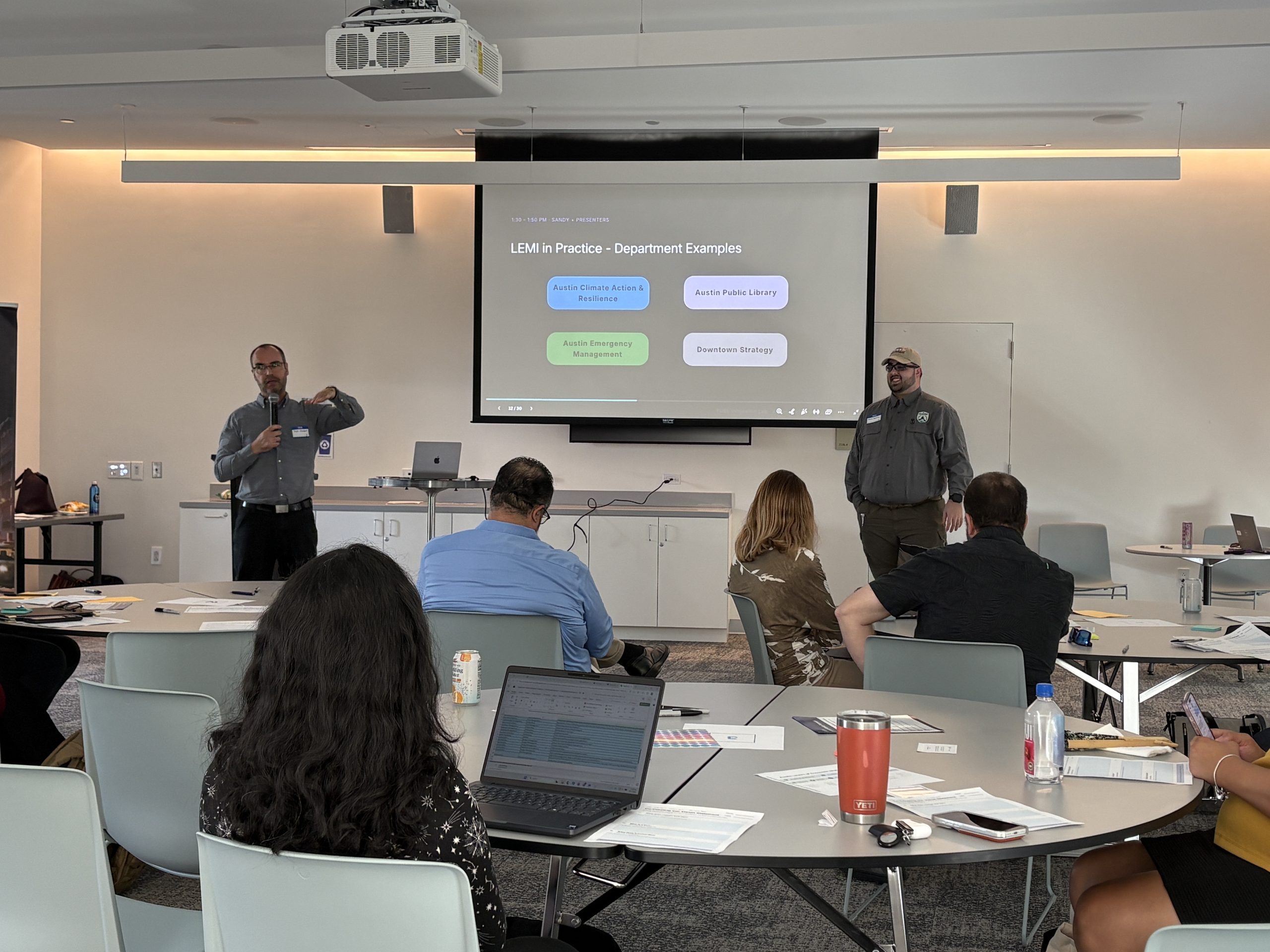
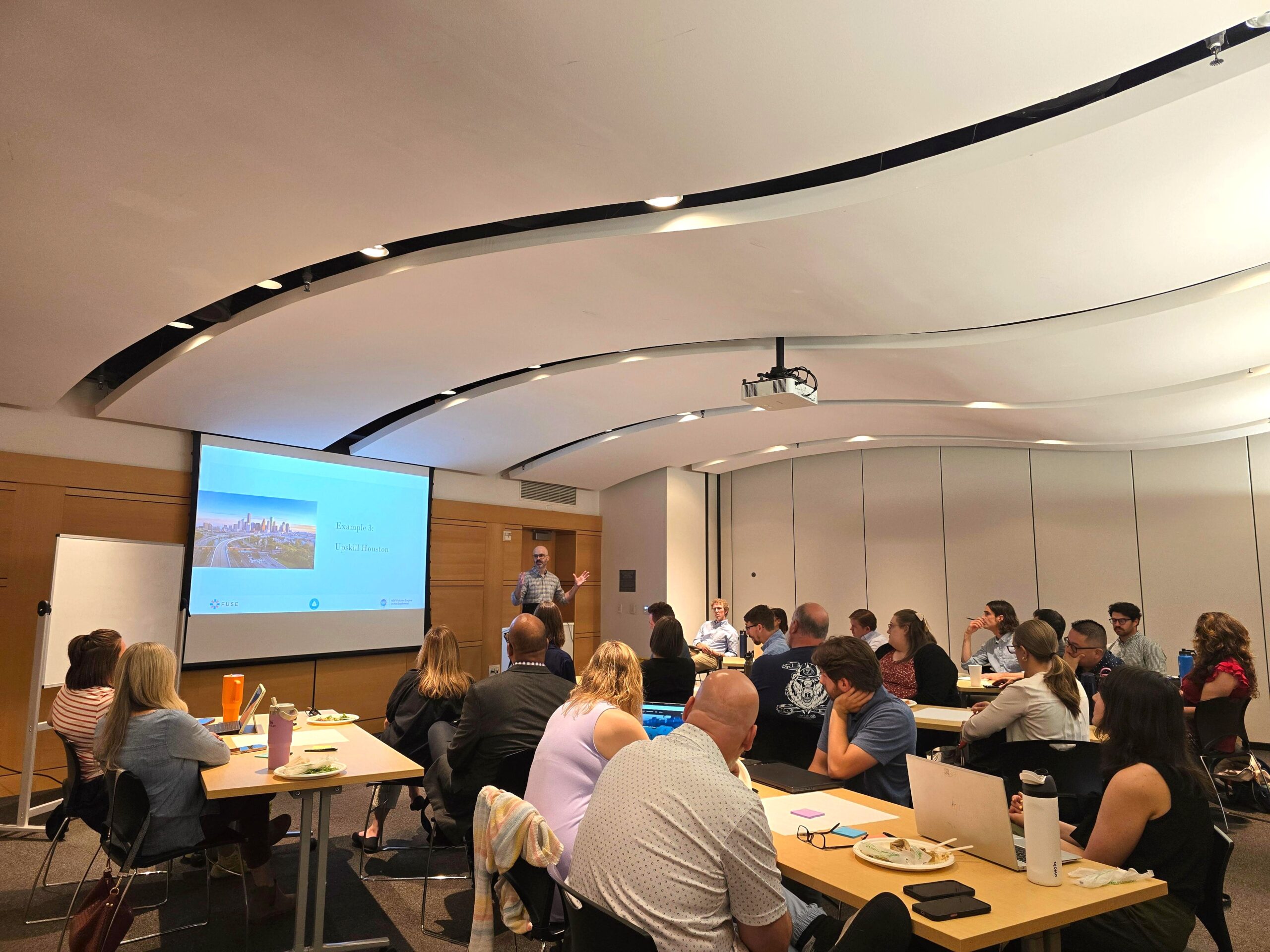
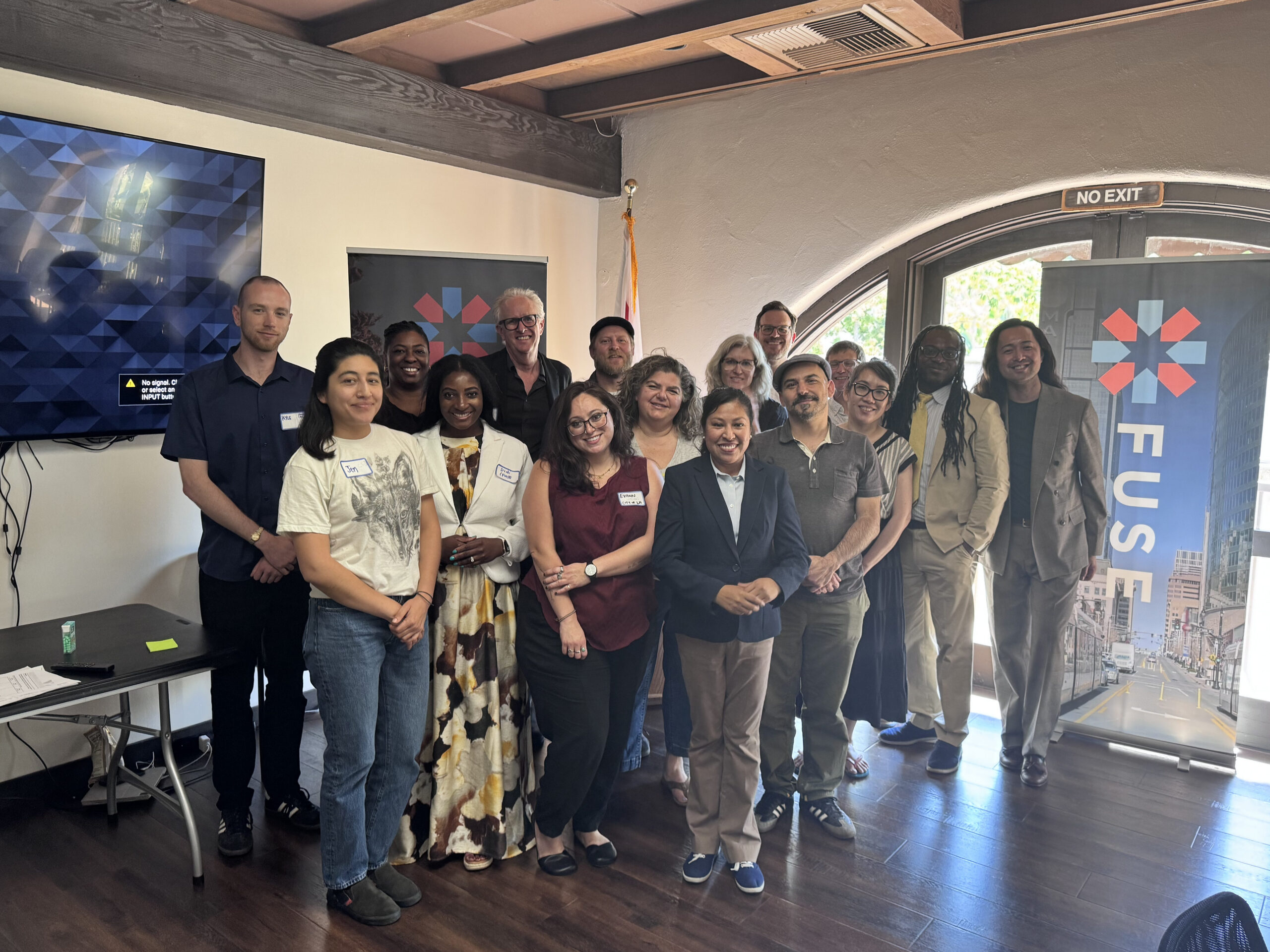
The three-hour Innovation Lab brought together 16 participants from City departments, including Equity & Inclusion, Public Health, Climate Action & Resilience, Emergency Management, the Public Library, Human Resources, and Downtown Strategy, as well as external partners, including a City Equity Mini-Grant recipient.
Participants brought varying levels of experience with LEMI. Some were already incorporating it into their work, while others were exploring potential applications. Many also brought experience implementing citywide initiatives and working directly with communities.
This diversity of perspectives was important. Economic mobility cuts across departments and sectors, and addressing systemic barriers requires an ecosystem of partners working toward shared goals.
Through facilitated discussions and small group activities, participants explored a future vision for Austin, identified barriers and enablers, and considered practical next steps.
What We Learned: From Vision to Action
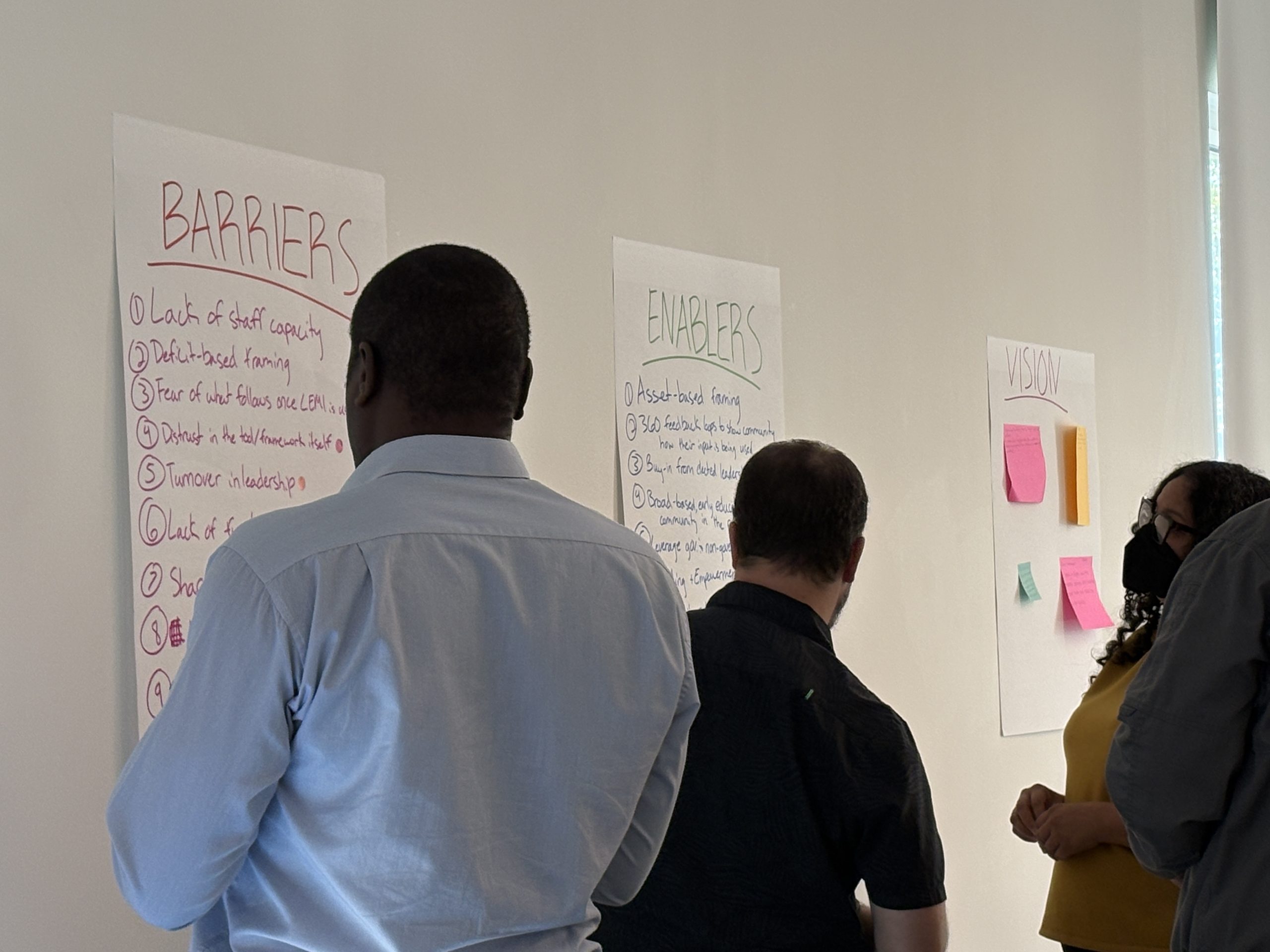
One of the most meaningful exercises invited participants to imagine an Austin where race, neighborhood conditions, and personal circumstances no longer determine residents’ opportunities.
Across individual reflections and drafted vision statements, key themes included:
- A strong emphasis on belonging — participants expressed a vision of the future where all residents feel rooted, supported, and able to thrive.
- A focus on place — particularly the ability for communities to remain stable, access essential services, and address historic conditions that shape opportunity.
- Who this work is for — communities of color and those experiencing the greatest structural barriers, from children/youth and families to adults and seniors closest to disparities.
Participants also explored what would be needed to support broader understanding and effective use of LEMI. Discussions around clarity, familiarity with the tool, education, community, and partnerships highlighted opportunities to consider in the next 6-12 months, such as:
- Expand understanding of LEMI through practical examples, communications, and training.
- Continue to create opportunities for community engagement and co-creation.
- Support early adopters across departments and community organizations.
- Strengthen partnerships to connect data, community priorities, and potential actions.
The Lab did not answer every question or represent every City and community perspective. However, it reinforced the value of continued engagement, transparency, and shared learning as the work evolves.
The Innovation Lab provided valuable insights to inform the City’s next phase of economic mobility planning, including potential priorities, partnerships, and implementation support.
Looking Ahead: Building on a Shared Foundation
As my fellowship concludes, I’ve been reflecting on what it takes to advance complex, cross-cutting initiatives within local government. I’ve learned that lasting progress requires more than a compelling vision or a powerful tool. It takes relationships, shared ownership, and a willingness to navigate uncertainty together.
It also requires balancing patience with urgency. Meaningful change takes time, but residents experiencing inequitable conditions deserve to see progress in the outcomes that matter to their lives.
I’m especially grateful to my Austin Equity & Inclusion colleagues, City leaders and staff, community partners, and fellow collaborators who have shared their expertise, challenged assumptions, and helped move this work forward.
My hope is that this fellowship has helped build the capacity, relationships, and strategic foundation to sustain momentum and advance coordinated action toward more equitable outcomes for Austin residents.
Ultimately, advancing economic mobility is about changing systems and creating the conditions for every Austin resident, family, and community to thrive in a city where race or place no longer determines one’s opportunities or future, and prosperity is possible across generations.
*Source: City of Austin demographics website, 2024 ACS data, estimates