

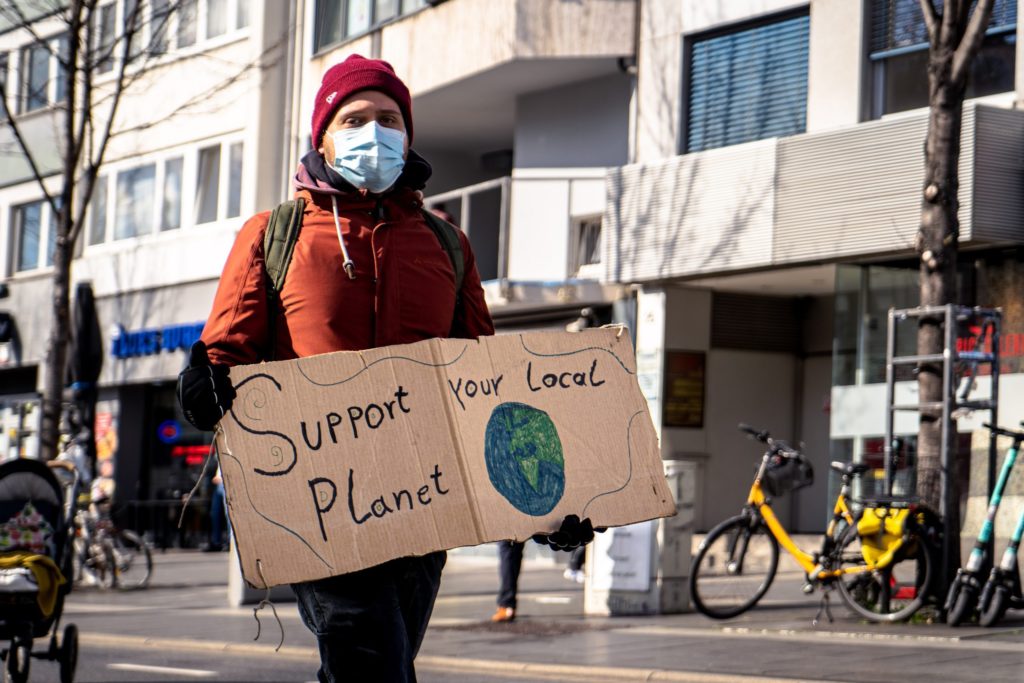
Building Community Resilience by Implementing a Climate Health Equity Program
King County Public Health – Seattle & King County (PHSKC) and its Environmental Health Services Division (EHS) are dedicated to building innovative and intersectional climate solutions that support community resilience and limit the climate burden on frontline communities. The department’s Blueprint for Addressing Climate Change and Health (Blueprint) offers a... Read more
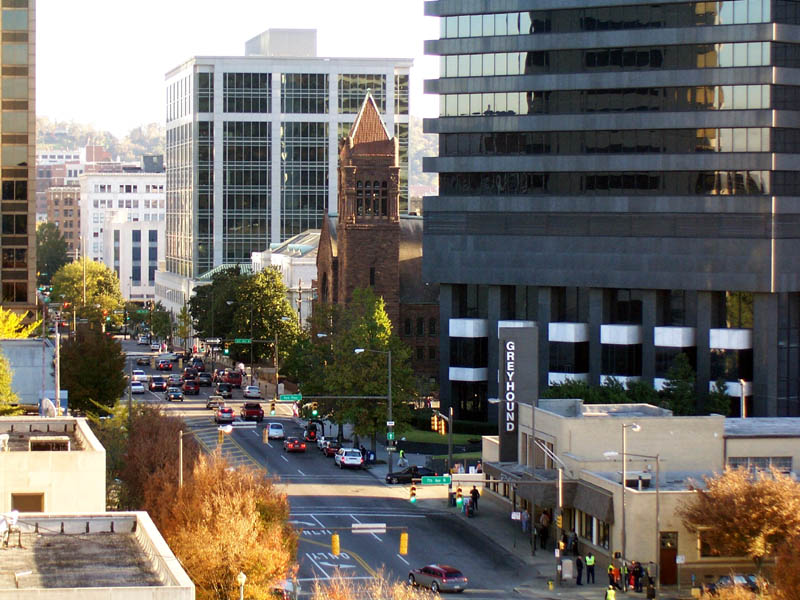
Working to Reduce Racial Health Inequities
Birmingham recognizes that social determinants of health — including the built environment of neighborhoods, such as environmental hazards, access to green space, walkability, and more — are major factors in health inequities across the city. To address this, the Department of Planning, Engineering, and Permits developed a Health Community Assessment... Read more

Targeting Health Inequities for Black Residents
The New Orleans Health Department (NOHD) recently conducted a comprehensive community health assessment to gain an inclusive picture of the health status of residents. The assessment revealed five main social determinants of health — crime and violence, insufficient infrastructure, unhealthy environments, lack of jobs and fair wages, and low-quality and... Read more

Holding Local Leaders Accountable for Addressing Racial Equity
Oakland leadership seeks to ensure that all departments have the tools and resources needed to track and report on equity-centered targets aligned to key health, climate, and economic indicators. To meet these goals, the city council and mayor want to develop a performance management system, which can also help local... Read more

Developing Environmentally Sustainable Approaches to Maintaining Roads
The Los Angeles Bureau of Street Services (StreetsLA) maintains 23,000 miles of car, bike, and pedestrian lanes per year. After power generation, paving streets is one of the leading producers of greenhouse gas in a municipality’s operations. StreetsLA is committed to finding new ways to pave roads, bike paths and... Read more
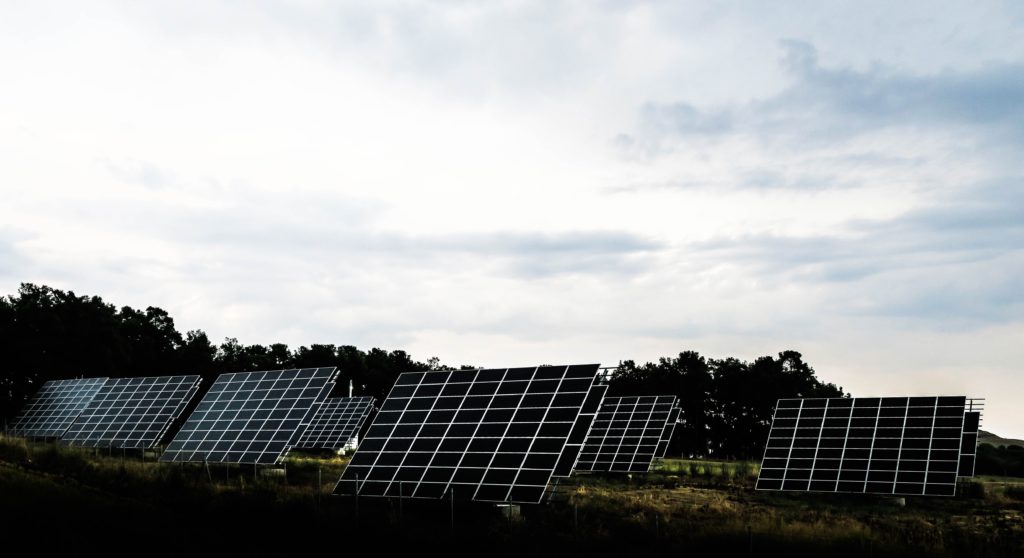
Establishing Community-Based Clean Energy Programs
San Jose has been working to become one of the most sustainable cities in the country. As part of that effort, the city established San Jose Clean Energy (SJCE), which offers renewable energy options at competitive prices to residents and businesses. SJCE is also working to develop clean energy programs... Read more
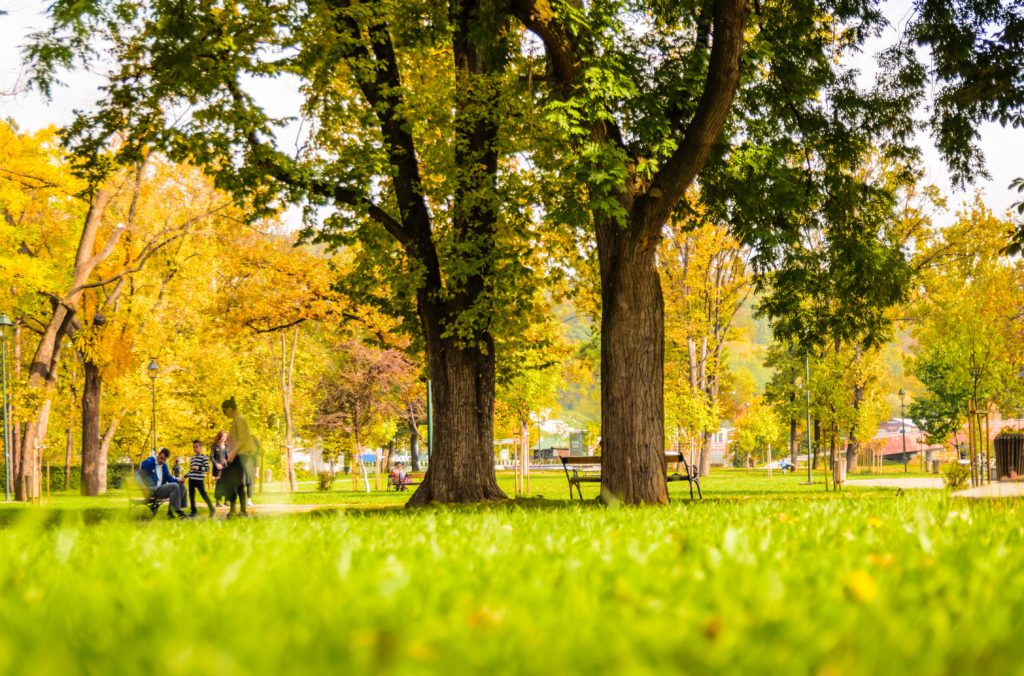
Raising Funds for Green Spaces
The Los Angeles County Department of Parks and Recreation (DPR) has been working to broaden funding sources for expanded community services. The aim is to be able to offer diverse, accessible, and equitable programs independent of fluctuations in funds allocated by the county due to changing economic conditions, especially in... Read more

Enhancing Park Services Through Grants
Availability and access to urban parks promotes the health and well-being of communities, while also supporting ecosystems, stormwater capture, and urban forestry. To expand park and recreational space in historically underserved neighborhoods, the Los Angeles County Regional Parks and Open Space District (RPOSD) wanted to create a Technical Assistance Program... Read more

Championing Sacramento as the “Farm to Fork” Capital of America
Sarah spent her fellowship year championing the Sacramento region as the "Farm to Fork Capital of America.” Mayor Kevin Johnson recognized that few places rival the region's resources - natural, economic, historical and political- and that their synergies give Sacramento an extraordinary comparative advantage in fulfilling this collective identity. In... Read more

Designing a Strategy to Modernize the City’s Fleet
More than 2,000 vehicles that support the delivery of a wide range of public services fall under the purview of the City of New Orleans’ Equipment Maintenance Division (EMD). To support the agency with the management of the fleet system, FUSE executive fellow Monica Soileau worked with the EMD to... Read more