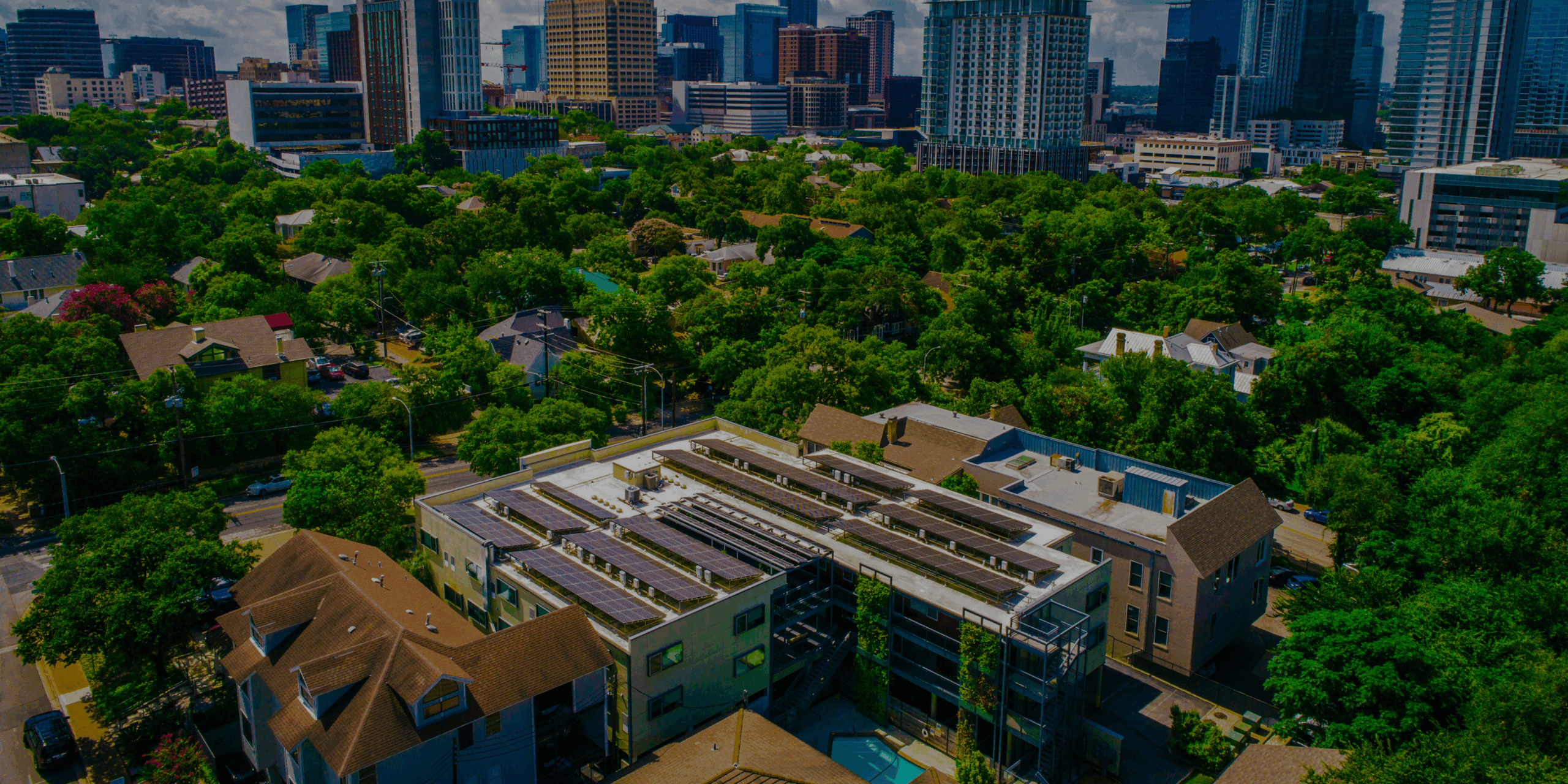

Economic Sustainability Through Affordable Housing
Across America, the growing housing crisis is causing negative consequences for citizens, especially for low-middle income (LMI) families, resulting in a ripple effect on the economy. Kansas’s major metropolitan centers, such as Kansas City, are feeling the effects of these shortages; the already low supply of available, affordable housing continues... Read more

Building a Collaborative Approach to Resentencing
The California Department of Corrections and Rehabilitation (CDCR) operates the second largest prison system in the United States. And men and women of color in California continue to be incarcerated at higher rates than white men and women. In recent years, Californians have expressed their desire to reduce reliance on... Read more

Sustainable Land Use In Cemeteries
Durham’s segregated past resulted in the creation of two public cemeteries: Maplewood (historically white with identified Confederate graves) and Beechwood (historically Black). Beechwood is running out of space; with limited availability for traditional burials. Given the history of segregation and the generations of families that are already buried in Beechwood,... Read more

Creating a Cohesive Service Delivery Model for the Justice Impacted Population
In Los Angeles County, on any given night, more than 14,000 people are confined in the County’s jail system – over 5,000 of which have serious mental health needs. These shocking numbers are reflective of the broader history of the intersections between race, health, and incarceration across not just the... Read more

Creating Buy-In & Authority to Reimagine Youth Justice
Historically, Los Angeles County youth who enter the justice system has been overseen by the Probation Department and the Chief Probation Officer. This carceral approach to youth justice has resulted in lasting, negative outcomes for even single-time offenders. In 2020 and 2021, Los Angeles County convened the Youth Justice Work... Read more

Implementing a Framework to Advance Racial Equity in Milwaukee County
It is the unfortunate reality that every American metropolitan area struggles with income inequality, concentrated poverty, unequal incarceration rates, disparate health outcomes, and poor overall quality of life for people of color. Milwaukee is not unique in the comprehensive issues faced by its communities of color, now the majority population... Read more

Expanding Access to Equitable Healthcare Career Education and Opportunities
Los Angeles County’s College of Nursing & Allied Health (CONAH) has prepared students for employment, professional development, and/or advancement for 125 years. Completing their clinical rotations in the system and often hailing from the area, graduates are particularly well placed to understand and address LA County’s healthcare needs. In the... Read more

Optimizing Case Management to Support the Resentencing of Over-incarcerated Individuals
The California Department of Corrections and Rehabilitation (CDCR) is responsible for the incarceration of nearly 100,000 adults, operating the second largest prison system in the United States. Los Angeles County (LA County) is the largest contributor to the carceral system in California – with nearly 30% of all adults admitted... Read more

Streamlining Workflows to Support the Release of Over-incarcerated Individuals
The California Department of Corrections and Rehabilitation (CDCR) is responsible for the incarceration of nearly 100,000 adults, operating the second largest prison system in the United States. Los Angeles County (LA County) is the largest contributor to the carceral system in California – with nearly 30% of all adults admitted... Read more

Combating the Digital Divide by Increasing Equitable Access to Broadband Services
The COVID-19 pandemic has exposed long-seated issues with connectivity in Texas, with almost 900,000 residents lacking broadband internet access across the state. In Central Texas, over 37,000 students are without the high-speed internet needed for online learning, and over 50,000 residents in Austin alone do not have use of the... Read more