
Across cities, FUSE Executive Fellows spent the past one to two years embedded in local government building programs, passing policy, and creating change that will outlast their time in office. As we reflect on the impact of the Spring 2025 cohort, we’re spotlighting two fellows whose work stands as a testament to what’s possible when talented leaders bring their skills to public service.
Johnetta Roberts: Building Wealth from the Ground Up in Louisville

In Louisville, affordable housing is not only a policy challenge, but also a question of who gets to build wealth and who gets left out.
Placed with the Louisville-Jefferson County Metro Government’s Office of Housing and Community Development, Johnetta Roberts supported two major initiatives to open doors for small developers and faith communities alike. Her work on Louisville’s Faith-Based Development Initiative helped churches envision new possibilities for their properties, turning underutilized land into opportunities for community investment and affordable housing. At the same time, she strengthened an existing Small Developer Education Program, increasing pathways for local entrepreneurs to fuel economic growth in lower-income and diverse communities.
Roberts engaged 187 residents directly in shaping these programs, ensuring community voices were central to every decision. She also conducted a citywide survey of 150 employees to assess the small-developer ecosystem. Based on the feedback received, she made a bold, smart call: rather than building a duplicative city-run program from scratch, she recommended leveraging the existing Local Initiatives Support Corporation infrastructure, saving Louisville $50,000 while accelerating progress toward more affordable housing.
Roberts’ fellowship leaves Louisville with programs that support a stronger small-developer ecosystem and a more engaged community in shaping its own future. She continues to drive this work forward as a contractor with the Louisville Office of Housing and Community Development.
I would hope that, in 5 years, the work to strengthen the ecosystem for small developers to create affordable housing is stronger; that we have our faith community; that they’re more than just houses of worship; and that their land can host affordable housing units or even commercial projects. I would like to see a thousand housing units directly linked to the work I’m doing now. That’s a thousand rooftops housing families who otherwise might not be living in safe, affordable housing had it not been for strengthening the ecosystem around small developers, enabling them to build faster.
Jackson Wright: Writing New Rules for Reducing Energy Use in New Orleans

When Jackson Wright arrived at the City of New Orleans’ Office of Resilience and Sustainability, the City had a Climate Action Plan but needed the policy architecture to make it real.
Now in policy, Wright helped draft New Orleans’ first citywide building energy benchmarking ordinance, which requires commercial and multi-family buildings over 50,000 square feet to track and report their energy use. The ordinance directly advances the City’s 2022 Climate Action Plan and sets New Orleans on a measurable path toward reducing its carbon footprint.
The policy is expected to reduce greenhouse gas emissions from large buildings by 2.4% annually, with an estimated 8,600 metric tons of carbon dioxide equivalent in the first five years alone. For the nearly 800 buildings subject to the ordinance, that translates to roughly $1,500 in savings per building per year.
Wright didn’t stop at legislation. He directed the development of municipal dashboards that make energy use, greenhouse gas emissions, and Climate Action Plan progress visible and trackable for government and the public alike. Across the project, he engaged more than 270 internal and external stakeholders, building the coalition needed to make the policy stick.
Now, Wright carries that policy expertise to the Southern Regional Council of Carpenters as its policy coordinator.
My FUSE Fellowship with the Office of Resilience & Sustainability in the City of New Orleans activated a community of advocates and practitioners to develop and pass a building energy benchmarking ordinance and advance the City’s climate action goals. Beyond the ordinance, I also led the effort to publish the City’s progress on climate action by developing greenhouse gas emissions and climate action progress dashboards. My FUSE Fellowship connected me with passionate public servants and community advocates and enabled me to serve the City I call home. FUSE also gave me the opportunity to develop professionally through its network of fellows and alumni, regular learning opportunities, and executive coaching.
Where the Cohort Is Now
The Spring 2025 cohort brought extraordinary talent to cities across the country, and the work they did during their fellowship speaks for itself. From Albuquerque to Seattle, these leaders embedded themselves in local government, tackled some of the most entrenched challenges facing American communities, and left behind lasting infrastructure, policy, and programs.
The story of the Spring 2025 cohort doesn’t end with the fellowship. These leaders have carried their public sector experience into a wide range of next chapters, returning to entrepreneurship, joining labor and impact organizations, continuing in civic roles, and more.
Year 1 Fellows
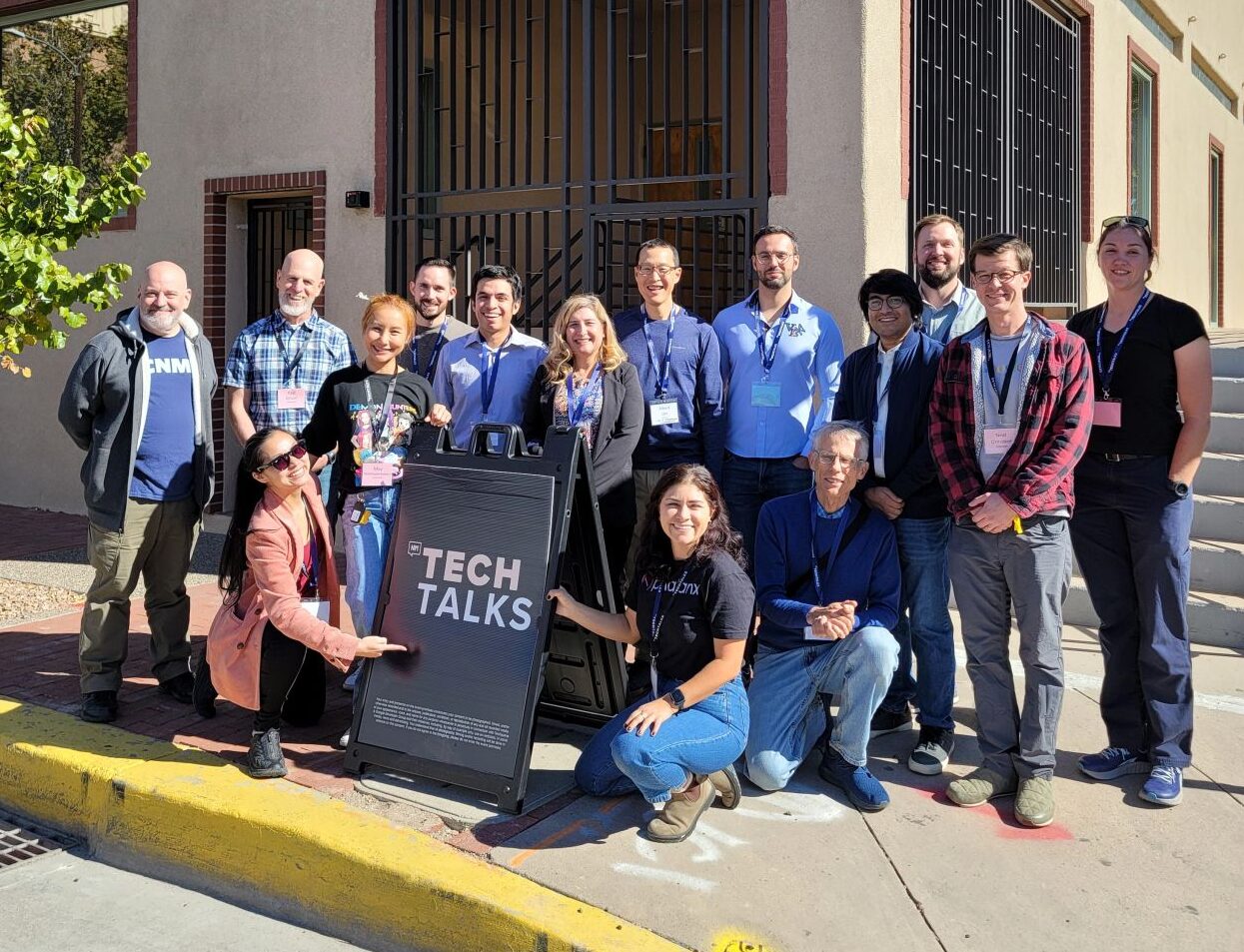
Jacky So (Albuquerque) helped launch the City’s new Office of Asian Pacific Islander Native Hawaiian Affairs through Project BRIDGE, a first-of-its-kind civic framework that synthesized insights from 550+ stakeholders and codified a $2.8 billion economic footprint into a searchable digital infrastructure, nearly doubling institutional trust scores. Through her work with Project BRIDGE, the City received a Silver Honor and an Audience Honor from the Shorty Awards in its generative engine optimization (GEO) category!
Post-fellowship, she is a founding Board member and strategy lead for the Asian American College Board of Excellence and continues her role as the fractional chief marketing strategy partnerships officer and startup advisor for Data With Style, LLC.
Carla Whitlock (Atlanta) advanced Hollowell Parkway as a Westside innovation corridor, aligning Tax Allocation District funding, cross-sector partners, and property owners behind a corridor-level development model that preserves existing residents while creating new economic opportunity.
Post-fellowship, she is a principal at Sankofa Partners.
Elke Davidson (Atlanta) helped build ROOTED, a coordinated home repair and weatherization network with centralized intake, inspection, and case management, and secured more than a million dollars in funding to launch its first pilots. She also helped launch the Public Employee Housing Initiative and the PEACH newsletter for City employees, and advanced the Sustainable Communities Investment Accelerator (SCIA), establishing an energy-efficiency standard with a long-term goal of reaching 60% of new affordable single-family construction citywide.
Her FUSE Fellowship work led her to a full-time position as the director of policy with the Mayor’s Office of the Chief Policy Officer!
Dalmar James, Jr. (Baltimore) helped build “Protect the Nest”, establishing Baltimore’s civic infrastructure for coordinated homeownership readiness and post-purchase support, including a standardized coaching model and stakeholder network that will help develop a pipeline for 200+ new homes in the coming years.
He continued his work with the City as a contractor post-fellowship and is also an implementation architect for STAR LINER SERVICES and the founder of Genie-us Software, Inc.
Brittany Hume Charm (Boston) designed Invest Boston, a cross-sector initiative to close structural capital gaps for small businesses in historically underinvested neighborhoods. Her work positions the city to launch 5 new blended capital funds, reach 100 businesses with targeted capital, and connect ~10,000 businesses through a unified “shared front door” by 2029.
Currently, she is a city council member for the City of Newton, MA, and the vice president of the Yes/Cities Boston initiative.
Erika Haskins (Boston) advanced three strategies to protect affordable homeownership at the Mayor’s Office of Housing, including a new Community Development Block Grant eligibility policy, a condo association technical-assistance model, and a proactive risk-assessment framework, shifting Boston from reactive crisis response to data-driven preservation.
She is the Founder & Managing Partner at Sonder VC, a current Economic Recovery Fellow at the U.S. Economic Development Administration, and a consultant in the workforce and regional economies practice at Jobs for the Future.
Rashelle Brooks (Durham) elevated the visibility of Durham’s Down Payment Assistance Program by leading a stakeholder listening series, developing workflows to capture and amplify resident stories, planning the redesign of webpages, and building an eligibility chatbot, laying the foundation to double the number of program awards in the coming year.
She is now an emerging human-AI collaboration strategist.
Serving as a FUSE Executive Fellow in the program’s 2025 cohort was extremely rewarding. It was an honor to contribute to the essential work that the amazing people in the City of Durham Housing and Neighborhood Services Department have been moving forward.
Tim Lewis (Durham) overhauled Durham’s process for converting city-owned vacant parcels into affordable homeownership for BIPOC and low-income residents, conducting 40+ stakeholder interviews with developers, lenders, community organizations, and city leadership, running an iLAB process mapping session to surface key bottlenecks, and developing standard operating procedures across departments to improve efficiency and set the stage for a new round of development.
Post-fellowship, Lewis continues his role as an independent consultant at Lewis Real Estate Advisory.
Forest Guider (Long Beach) strengthened the City’s public health workforce by launching an equity-based mentorship program for 40 employees, delivering 600+ hours of training to 300+ staff, expanding internship partnerships from 3 to 40 schools, and identifying $2–3M in potential recurring County-based Medi-Cal Administrative Activities (CMAA) revenue.
He has since returned to his practice as a leadership and development consultant at Guider Consulting, where he continues to work with the City to build on programs developed during his fellowship.
It’s meaningful to see ideas developed through a fellowship continue to support the people and communities they were designed to serve.

TrixieAnn Golberg (Phoenix) expanded energy access for Phoenix’s 84,000+ energy-burdened low-to-middle-income households by launching a rental community outreach pilot reaching 400+ households to enroll in an energy access program, earning the City its first SolSmart designation, and standing up an Energy Access Allies Network, advancing Phoenix’s 2030 goal of connecting 18,000 additional households annually to energy affordability programs. She hosted a FUSE Innovation Lab in February 2026, convening stakeholders to develop action-oriented strategies to advance energy access for low- to middle-income households.
Post-fellowship, she continues her role as an impact catalyst for Impact Beacon and as president and senior consultant to Social Enterprise Consulting.
Sherrill Berk (Philadelphia) designed and delivered corridor-based succession planning workshops engaging 80 small business owners and 30 partners, developed reusable bilingual curricula and a Succession Readiness Index, and piloted a 6-week succession planning course, laying the groundwork to preserve or successfully transition 150–250 small businesses citywide.
Post-fellowship, Berk is a strategic business continuity consultant for the Philadelphia Department of Commerce.
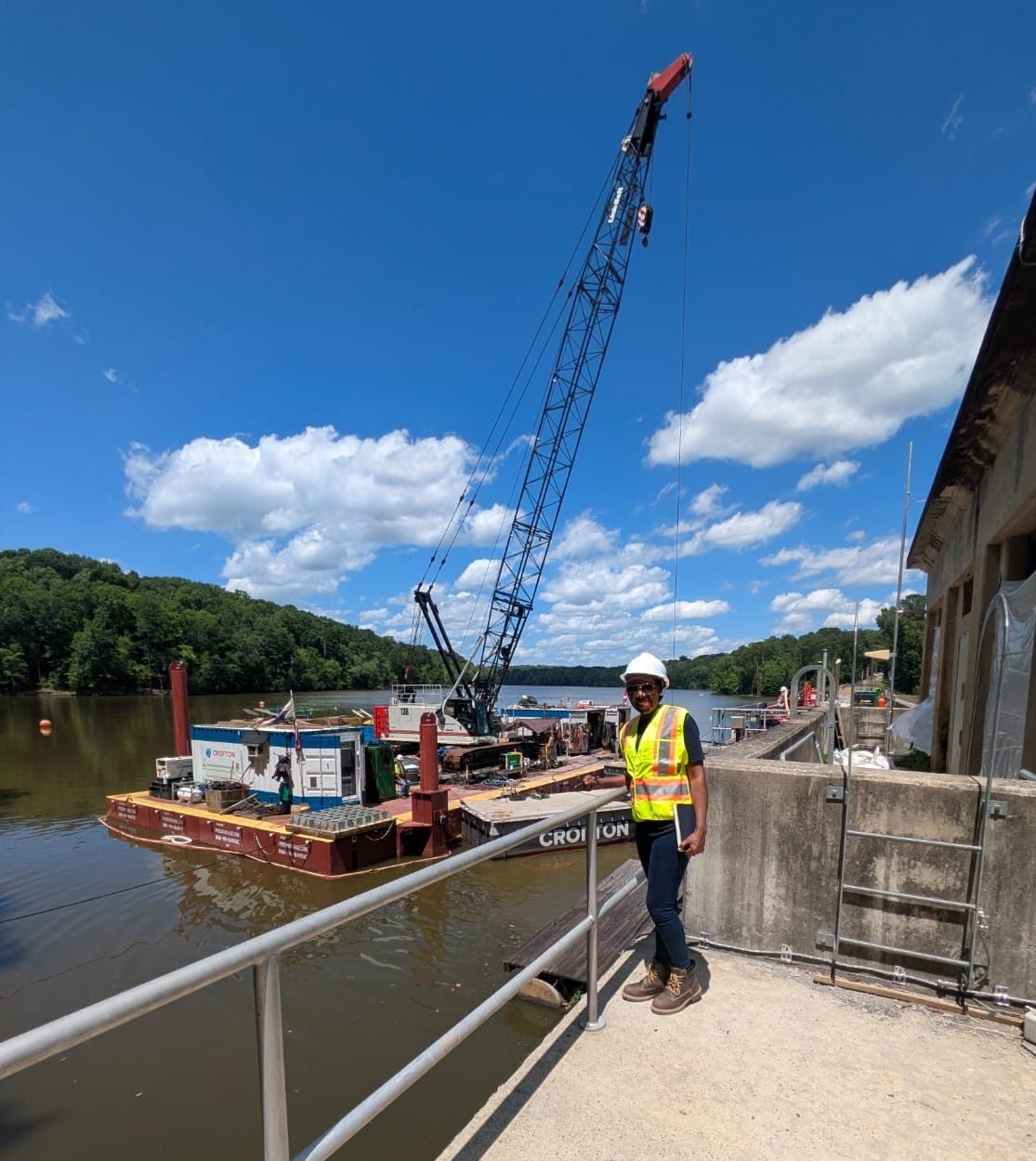
Charity Tuseko Muwowo Sindano (Durham) mapped 60+ high-energy assets across Durham’s water and wastewater facilities, identified 10+ actionable efficiency opportunities, and produced a roadmap of recommendations integrating operations, capital planning, and affordability, positioning the City to reduce energy use by 2–5% by 2027.
She continues this work with the City as a Year 2 FUSE Executive Fellow, focused on implementing the Year 1 recommendations.
Dominique Haft (Seattle) designed the HOP (Home Ownership as Preservation) program from the ground up, conducting 40+ stakeholder interviews, building a citywide market analysis, and developing a replicable framework to convert affordable rentals into permanently affordable homeownership, with a pilot project poised for imminent launch.
Cecilia Cheng (New York City) streamlined budget and expense management at NYC’s Department of Environmental Protection by completing a process library across all Business Operations Bureaus, implementing customer relationship management enhancements that enabled cross-bureau rollout, and identifying 46 improvement opportunities, with quick wins already generating an estimated $203,000 in annual personnel savings.

Henrique Cruz (Salt Lake City) produced a Communication Quick Reference Guide and a Projects Standard Operating Procedure (SOP) for the Transportation Division, creating accountability frameworks to help the City deliver transportation infrastructure projects more efficiently. He hosted a FUSE Innovation Lab in January 2026, convening stakeholders to explore how the City’s transportation vision can be translated into real-world implementation.
Melanie Miller (Kansas City) tackled four core barriers blocking 3,500 Land Bank parcels from activation, improving parcel-level data infrastructure, simplifying the application process, and contributing to the Vacant Land Activation Initiative (VLAI) Strategic Plan. The Land Bank hired a dedicated analyst to continue the work she started.
Miller came out of retirement to serve her year of public service as a FUSE Executive Fellow and has since returned to retirement after completing her FUSE Fellowship.

Delanie West (Cleveland) designed the strategic architecture for Cleveland’s equitable homeownership system, including developing strategies to cultivate lender partnerships, a “Keys to the City” cross-agency dashboard that aligns partners, identifies gaps, and tracks progress, and research into the City’s Community Benefits Ordinance to link neighborhood revitalization to measurable community outcomes.
After her fellowship concluded, the City brought her back to work in business development and strategic partnerships with TV20 Cleveland, Cleveland’s official public television station under the Office of the Mayor.
Year 2 Fellows
Kristen Abraham (Los Angeles) built on a Year 1 foundation that produced a six-language Community Engagement Survey and a Digital Inclusion Dashboard to advance digital inclusion for the Mayor’s Office of Finance, Operations & Innovation, focusing her second year on launching an interagency working group to implement and pilot strategic plan recommendations to prove a replicable model for expanding broadband, device access, and digital skills training citywide.
Lawrence Ebo (Los Angeles) advanced Los Angeles’ Smart City vision in Year 2 by operationalizing the Bureau of Street Lighting’s (BSL) new data center to support public WiFi, developing a long-term management and maintenance plan for it, and conducting a needs assessment across departments to evaluate how LiDAR and other right-of-way sensor technologies can leverage BSL’s street lighting infrastructure to enhance public safety and mobility for Angelenos.
Ebo has since retired post-fellowship.
Sara Hammes (Los Angeles) developed a new fee model for LA’s Urban Forestry Division by completing a cost analysis that identified fees eligible for immediate increases and streamlining pathways to City approval, building the revenue foundation to expand and improve the health of LA’s urban tree canopy for all Angelenos.
Post-fellowship, she continues her role as Principal at The Vita Group.
Mokyou Hyun (Los Angeles) modernized StreetLA’s permitting and enforcement systems by developing the rationale for a comprehensive fine restructuring covering 150+ municipal code violations, securing executive alignment to codify a Prop 26-compliant update to a 30+ year-old permit fee structure, and launching a public KPI dashboard for real-time enforcement and hotspot tracking serving 4.5 million Angelenos.
She is continuing her work with the City post-fellowship, supporting the process of securing city council approval for the permit restructuring.

Edidiong Mendie (Los Angeles) supported the Taylor Yard Equity Strategy for the Bureau of Engineering by establishing a 9-member oversight committee, engaging 70+ stakeholders across 12 Northeast LA neighborhoods, and building the governance infrastructure to guide the redevelopment of a 100-acre public site that could benefit 276,000+ residents, expand green space access for 75,000 nearby residents, and generate up to 1,500 local jobs. She has hosted two FUSE Innovation Labs each year of her fellowship, with the first establishing the oversight committee and the second creating an implementation plan.
She resumes her various roles as the executive director of Ezrach Brain Trust Association, the CEO and co-founder of MB8 Consulting Group LLC, an adjunct professor at California State University, Long Beach, and an arbitrator in dispute resolution.
Trace Lane (Los Angeles) developed tools for the Bureau of Street Services, giving communities a structured way to weigh the benefits and costs of different cooling interventions and enabling more data-informed decisions about where and how to deploy heat relief across LA.
Lane is the Founder and Principal of SOCIO Resilience Solutions, where she leads collaborative work in heat resilience, biocultural conservation, and community-based environmental planning. She is currently developing the Social-Cultural Heat Impact Assessment (SCHIA), a community-centered tool for identifying the social and cultural impacts of extreme heat. She is also completing the Tropical Forest Landscapes certificate through the Yale School of the Environment.
We are deeply proud of every fellow in this cohort and grateful to the host agencies and executive sponsors who made this work possible.
Interested in hosting a FUSE Executive Fellow? Learn more here.
Interested in becoming a FUSE Executive Fellow? Apply for the next cohort here.


