More than 840,000 New York City water customers depend on clear, fair bills. Roughly 20,000 single-room occupancy units that keep San Franciscans housed need upgrading and maintenance. A new $50 million program is launching to cut wildfire risk in California’s forests. A shortfall of 82,000 homes in one city and a region heading toward one million residents needs innovative systems and infrastructure to keep up.
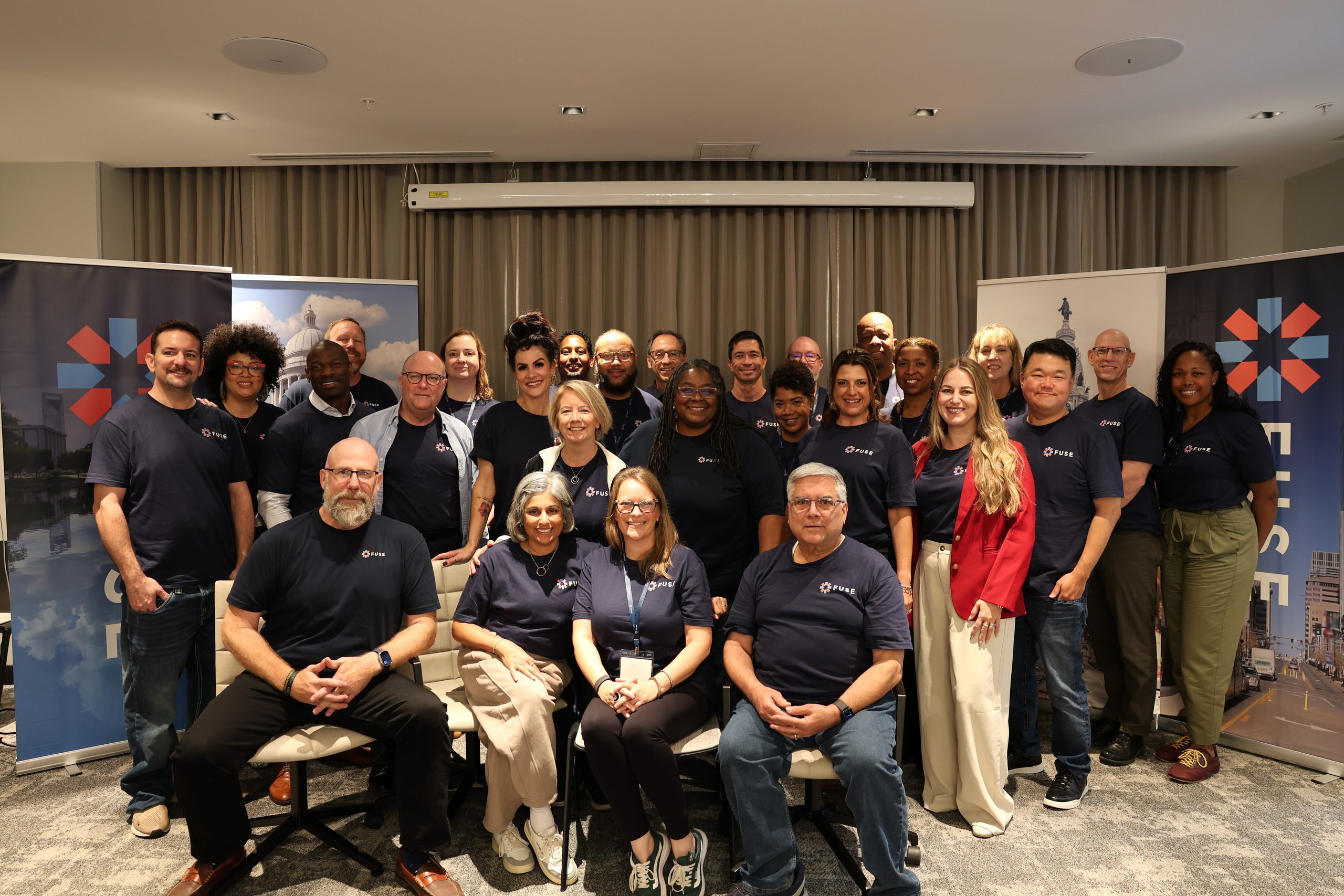
This fall, we welcome 30 FUSE Executive Fellows to city, county, regional, and state governments across 10 states to address big challenges affecting millions of residents. Each brings decades of private-sector experience to one goal: helping government deliver results residents can see, from more attainable homes and flood-ready neighborhoods to stronger health systems and new economic opportunity. From Birmingham to Bentonville, Fresno to Rochester, meet the fellows ready to make it happen.
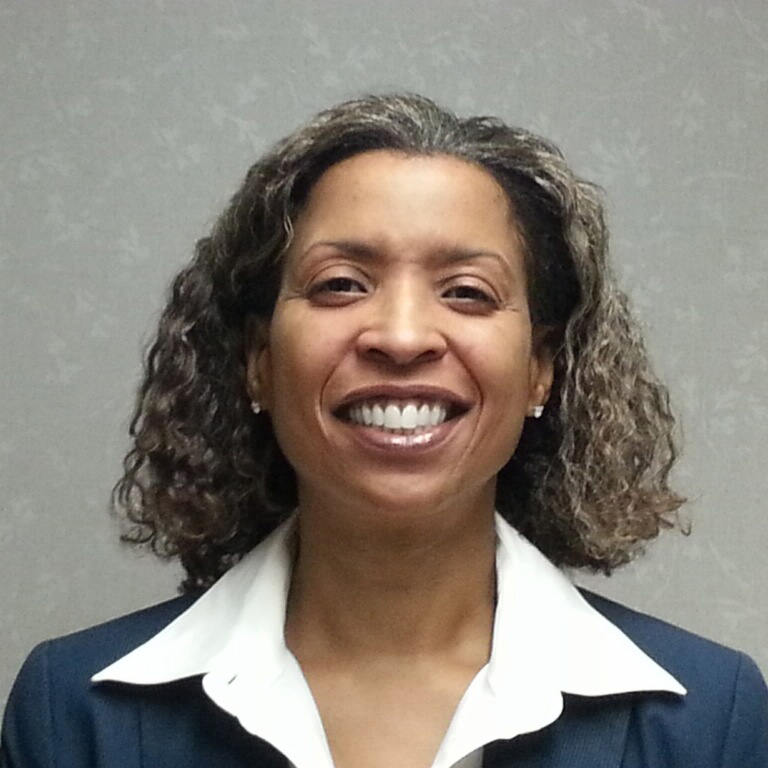
April Young
Strengthening Cradle-to-Career Coordination to Improve Family Outcomes — Birmingham, AL
April Young is a social sector strategist and anthropologist experienced in helping public, nonprofit, and philanthropic organizations address complex challenges. Most recently, she was a principal at New Equity Partners, a public-interest consulting firm she co-founded, following service as a Senior Officer in The Pew Charitable Trusts’ Strategy Unit. Her work spans health, housing, education, community development, and justice reform. She holds an A.B. from Princeton University and a Ph.D. in Anthropology from Harvard University.
In Birmingham, Young is working with the City and Woodlawn United to make it easier for families in Woodlawn-Kingston to reach the education, health, housing, and social supports they need. She will begin with a 90-day listening tour across city departments, schools, youth-serving groups, housing partners, and residents, then design a cradle-to-career coordination framework, stand up a centralized family navigation system, and help partners agree on shared indicators, such as attendance. The result will be a lasting partnership infrastructure in Woodlawn-Kingston and a community-centered model Birmingham can expand citywide.
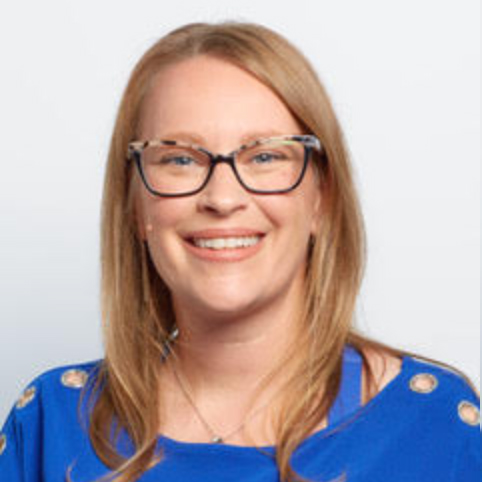
Kendra Branham
Advancing Phoenix’s Regenerative Food System through Local Food Economy and Development Strategies — Phoenix, AZ
Kendra Branham is an enterprise software architect and urban farmer bridging data systems with local food systems initiatives across Arizona. Owner and operator of Karmic Bounty Farms, she also serves as Table Manager and strategic leader for the Community Exchange at Uptown Farmers Market. Branham built her 20-year technical career from the ground up through hands-on mentorship at innovative technology firms, bringing deep expertise in business intelligence, data logistics, technical research, and grassroots food advocacy.
In Phoenix, Branham is helping the Office of Environmental Programs close key knowledge gaps in the city’s food system. Phoenix sits in a major agricultural region yet imports much of its food, with little visibility into how it moves through the local supply chain. Branham will trace food from production to waste, interview developers about incentives for building urban agriculture, community kitchens, and food hubs into new projects, and turn both studies into recommendations for the City’s 2030 Food Action Plan.
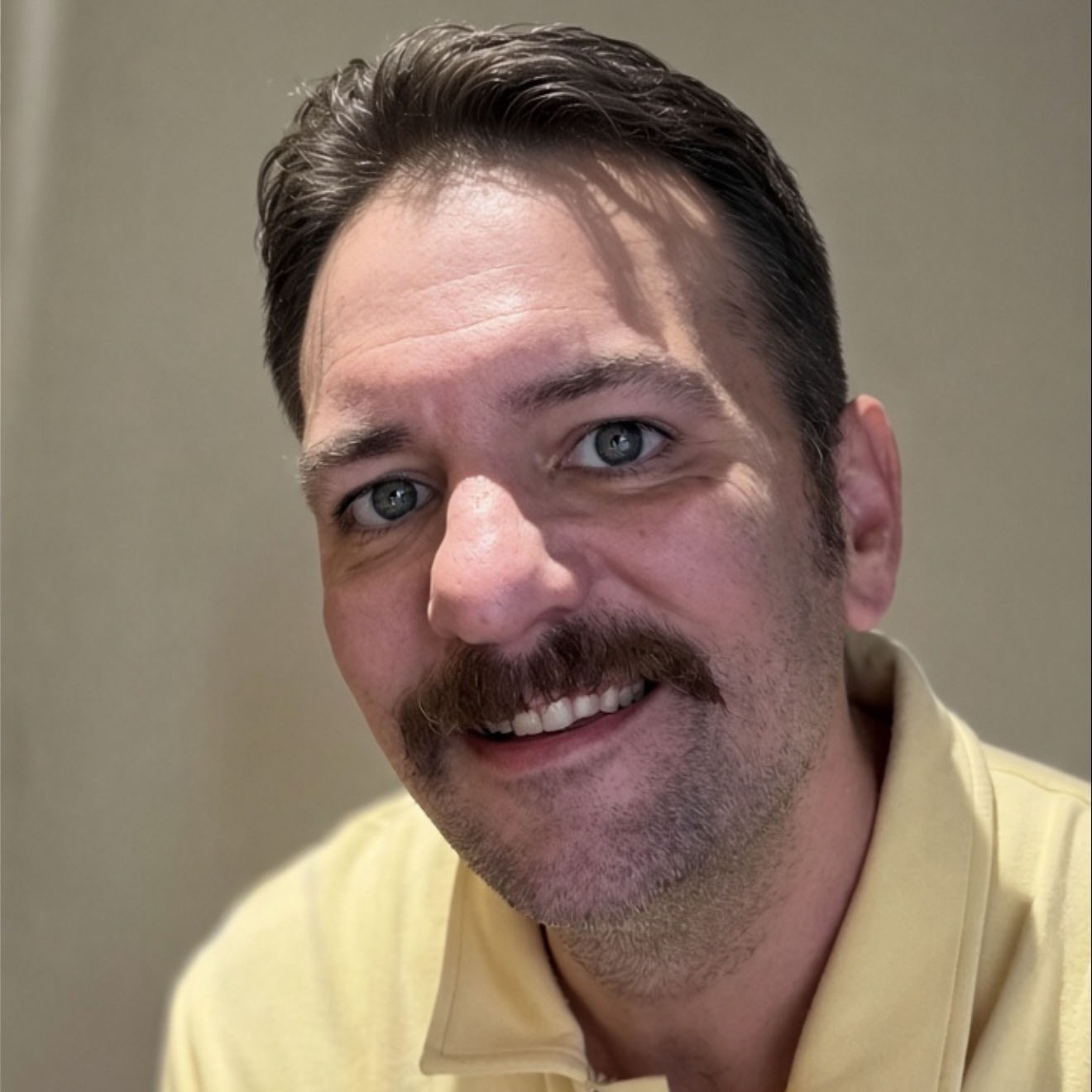
Shane Leis
Building a Stormwater and Floodplain Framework and Implementation Plan to Support Resilient Growth — Bentonville, AR
Born and raised in Rogers, Arkansas, Shane Leis has spent his life and career rooted in Northwest Arkansas, a region he has watched transform into one of the fastest-growing areas in the country. After nearly 30 years at Walmart’s Corporate Home Office spanning Information Systems, Real Estate, and Pickup and Delivery, Leis built deep expertise in business architecture, site selection, and large-scale project delivery. He led a team of business architects who migrated a division comprising over a dozen departments to a project management system. Most recently, as an independent consultant, he worked with truck brokers, medical complexes, and a high-end exotic car modification business.
In Bentonville, Leis is leading cross-departmental work to plan for stormwater at the scale the city’s growth demands. Parts of Bentonville were built before modern detention standards were in place. Because the city sits at the headwaters of a regional creek system, its decisions ripple downstream across the Illinois River watershed. Over two years, he will oversee a citywide stormwater model, identify regional detention sites that can double as parks or greenways, and deliver a Council-ready capital and funding strategy.
I’ve spent most of my life in Northwest Arkansas. I raised my kids and worked in Bentonville for the majority of my career. This community has served me and my family well, and I’m excited for the chance to give something back. This role carries more than an opportunity. It carries a responsibility to keep our families, homes, and pets safe for generations to come.
Through this fellowship, I’ll help set Bentonville’s stormwater and floodplain priorities, build a portfolio of sites, identify funding for ongoing management, and strengthen the tools the city uses for permitting and plan review. I can’t think of anything more meaningful to spend my time on. My hope is that years from now, families here won’t have to think twice when storms roll in.
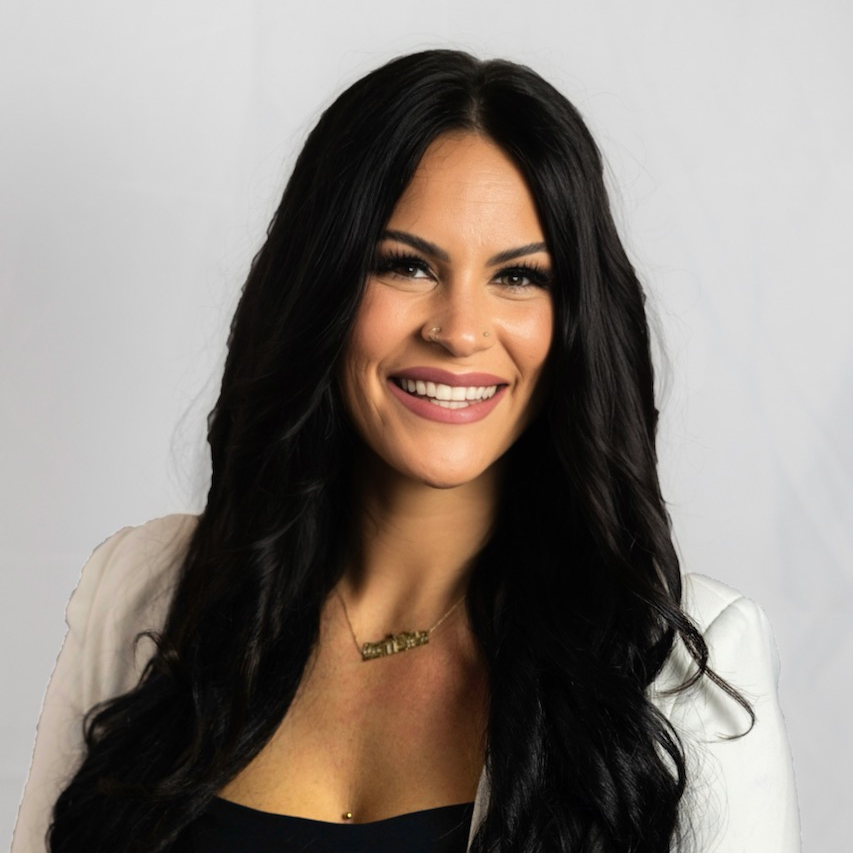
Allegra Rightmire
Stormwater and Floodplain Modernization — Centerton, AR
Allegra Rightmire is a project leader and licensed realtor with cross-sector experience spanning construction, public utilities, legal and municipal operations, and real estate. Most recently, she managed residential construction. Previously, she coordinated multi-facility initiatives at Central Arkansas Water and supported complex real estate and municipal matters as a paralegal. Rightmire earned a B.A. in English Literature, cum laude, from the University of Arkansas at Little Rock.
In Centerton, Rightmire is aligning the City’s stormwater and floodplain systems with its rapid growth. Centerton sits at the headwaters of several watersheds and holds one of the highest Community Rating System scores in Arkansas, which lowers flood insurance costs for residents. Still, growth has brought permit backlogs and fragmented records. She will digitize records, standardize permitting, build staff tools, and prepare the City for FEMA reviews, while scoping regional detention and pursuing funding for major stormwater improvements.
I was drawn to the FUSE Fellowship because it gave me the opportunity to apply my range of experience in construction, real estate, legal work, project management, and public utility to a community where I am personally invested. The work I will do holds a deeper significance, and I will be able to see a direct connection between the effort I contribute, and the way people are able to live within their community. I hope my work produces visible, lasting improvements that benefit residents after the fellowship concludes.
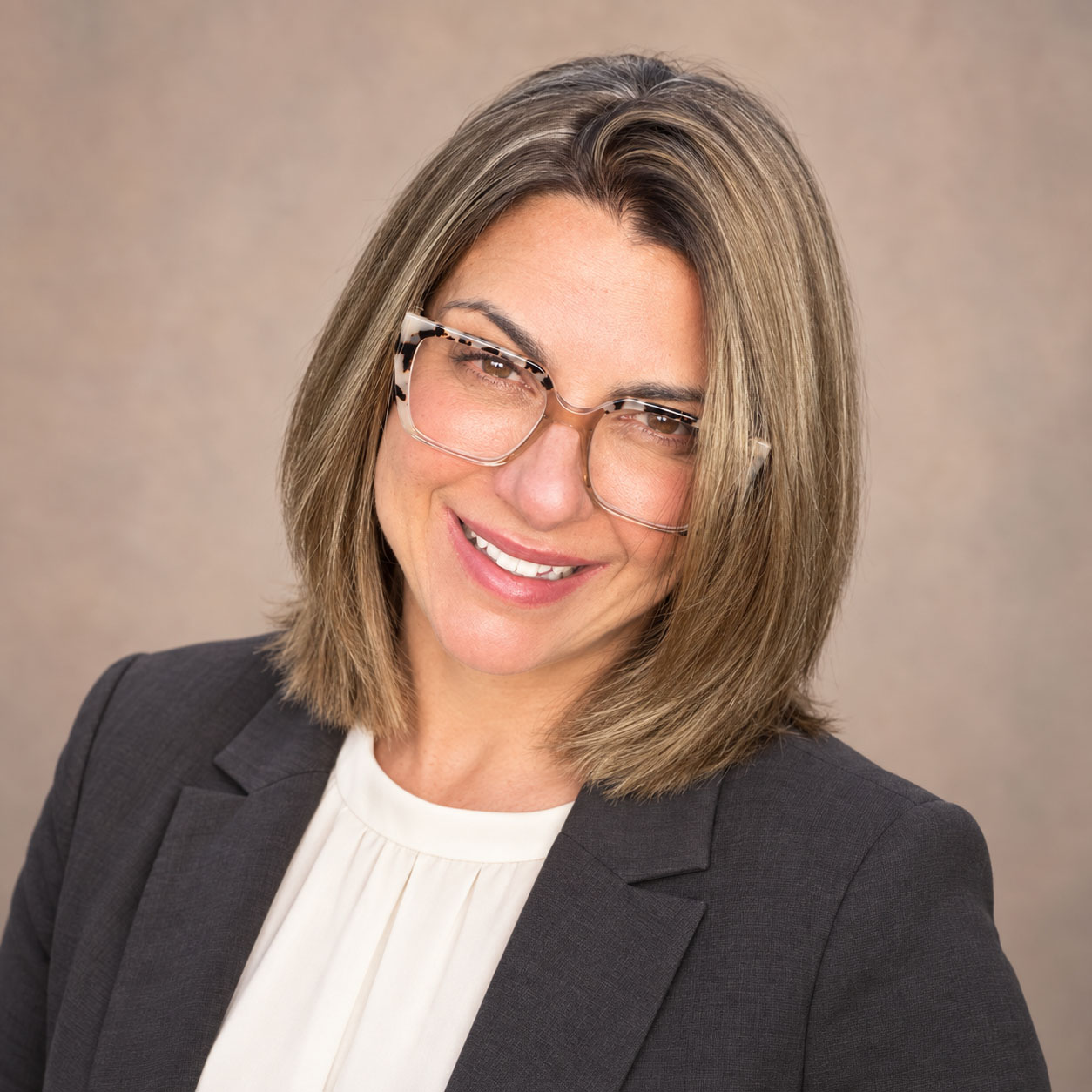
Enia Sampaio
Building a Downtown Economy through Data-Driven, Strategic Growth — Centerton, AR
Enia Sampaio is passionate about turning strategy and relationships into lasting community impact and developing talent. She brings 25+ years of multicultural experience driving growth and transformation, including leadership roles at Microsoft, Infosys, and IBM. Most recently, she advised small businesses after teaching Global Business at Ignite Professional Studies. A Fulbright Scholar from Brazil, she holds an MBA from Purdue University and a B.S. in Computer Science from Universidade Federal de Minas Gerais.
In Centerton, Sampaio is helping commercial development catch up with a fast-growing population. Residential growth has surged, but many residents still leave town for everyday shopping, dining, services, and work, a gap that hits hardest for people with limited mobility or lower incomes. She will lead retail and market analyses, develop a business recruitment strategy, and create tools to help City staff evaluate proposals, with the goal of a lively downtown and a growing small-business community.
Northwest Arkansas has been my home for over nine years, and I live just minutes from Centerton. I’ve watched the region grow and seen how much a downtown can contribute to a community’s identity and everyday life. The chance to help Centerton develop its own downtown, in a way that reflects what residents want and supports local businesses, felt like an opportunity I wanted to be part of.
I’ve spent more than 25 years helping organizations grow, building relationships, and figuring out how to turn ideas into something that works. At this point in my career, I want to put that experience into work where I can see the impact closer to home. This fellowship gives me another way to contribute to the community I’ve made my home.
I hope this work helps create more opportunities for people to start and grow businesses in Centerton, and more reasons for residents to spend time downtown. I’d love for longtime residents to feel that downtown still reflects their community, while newer residents find places where they feel connected and welcome. It would be incredibly rewarding to look back and see businesses and places that I had a small part in helping bring to life.
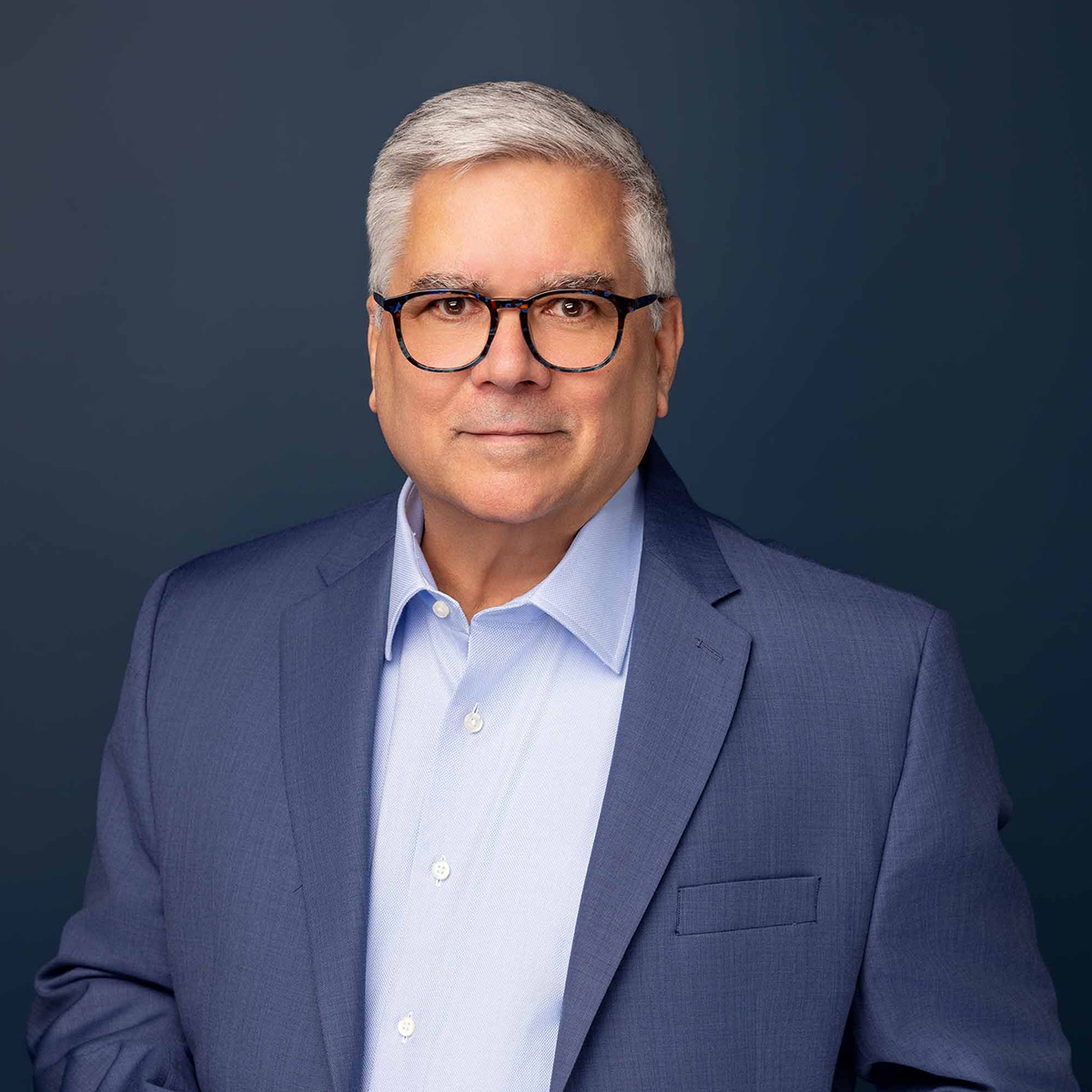
Earnie Glazener
Strengthening Regional Transportation Governance and Mobility — Northwest Arkansas
Earnie Glazener has 30 years of experience in program, product, and partner management in the technology industry, much of it with Microsoft. Most recently, he managed a global customer preview program for Windows 365. Earlier, he led a Microsoft partner advisory council, built a cross-group certification program, and held partnership and product roles at Stack Overflow and Intermec. He holds a B.S. in Management from Brigham Young University.
With the Northwest Arkansas Regional Planning Commission, Glazener is helping the region move from coordinating transportation across many jurisdictions to delivering it at a regional scale. He will hold a listening tour with municipal and state leaders, philanthropy, employers, and community members, then evaluate governance, legal, and funding options for an empowered Regional Mobility Authority. The work will give the region a credible pathway toward potential voter consideration and stronger capacity to fund and build transportation infrastructure.
My family has made its home in NWA, and I want to do this work in the place I live. I hope for two changes. First, that the region’s leaders have a workable framework for planning and paying for transportation together. Second, that residents understand the choices well enough to have a real say in the transportation they use every day.
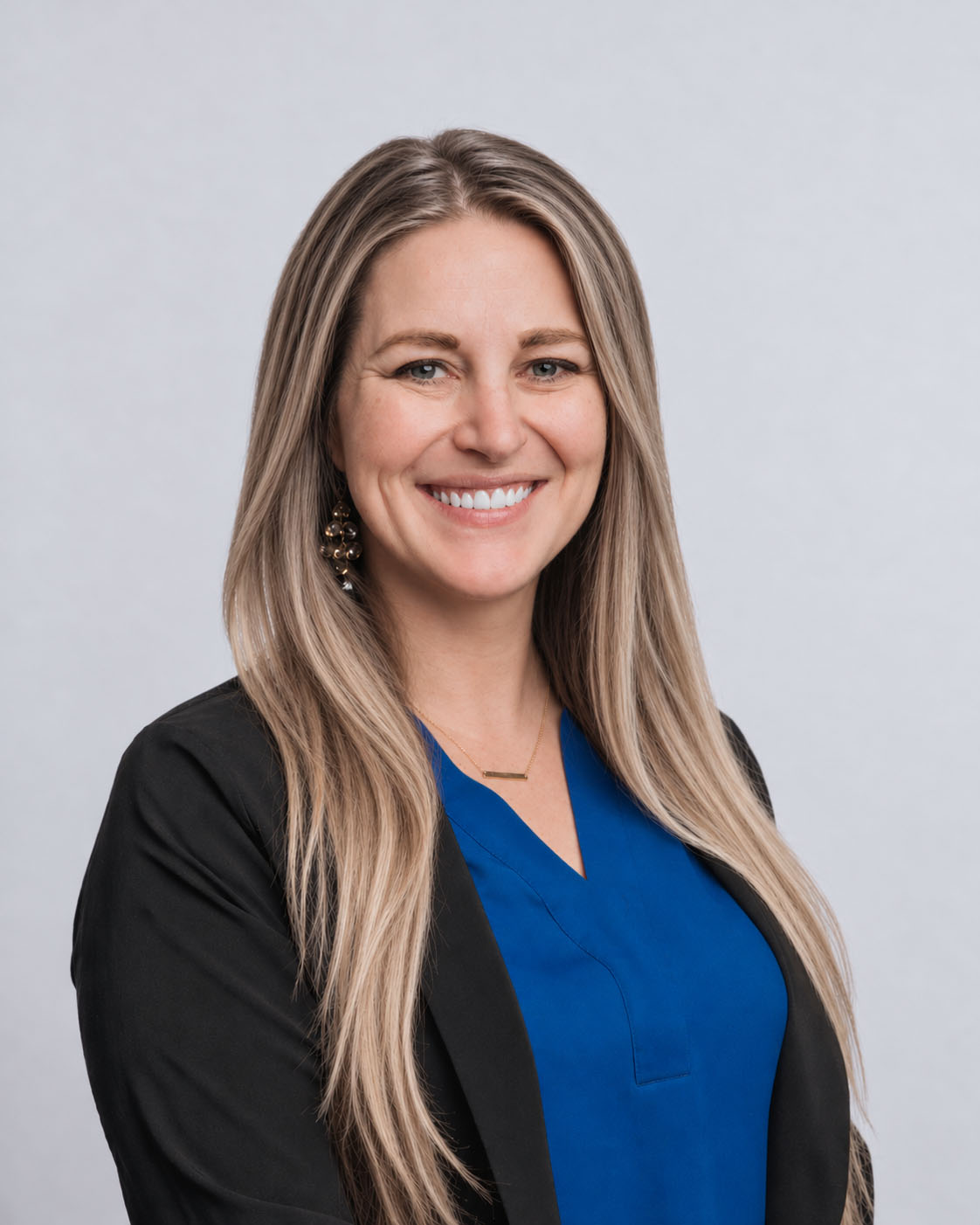
Janae Cox
Scaling Regional Infrastructure Through Systems Innovation — Northwest Arkansas
Janae Cox is a strategy and operations leader with 20 years’ experience building systems and aligning teams. Most recently, as a Client Specialist at an eCommerce agency, she served as Vice President of Community at ETR and Director of Customer Success at Plex. She is Vice President of the League of Women Voters of Benton County and a published author. Cox holds an MBA and PMP certification, is a Certified Conflict Manager, and is completing her MSML.
Also with the Northwest Arkansas Regional Planning Commission, Cox is strengthening the systems behind a small staff that serves 39 local jurisdictions in one of the fastest-growing regions in the country. She will modernize project management, budget tracking, grant compliance and reporting, and design a communication framework that helps the Commission explain its role, priorities, and funding realities to the public as the region heads toward one million residents by 2050.
This project drew me to FUSE because it brings together the work I love most: creating clarity, connecting people and ideas, and building practical systems that help organizations turn vision into results. Growing up in an Air Force family, I lived all over the world before choosing Northwest Arkansas as my home in 2014. I’ve lived in 19 different cities, but I love this region the most. I am raising my family here and intend to retire here. The opportunity to contribute to its thoughtful, sustainable growth is deeply meaningful to me, both personally and professionally. Ultimately, through this project, I want more people to benefit from the opportunities growth brings while preserving the qualities that make Northwest Arkansas a place we are proud to call home.
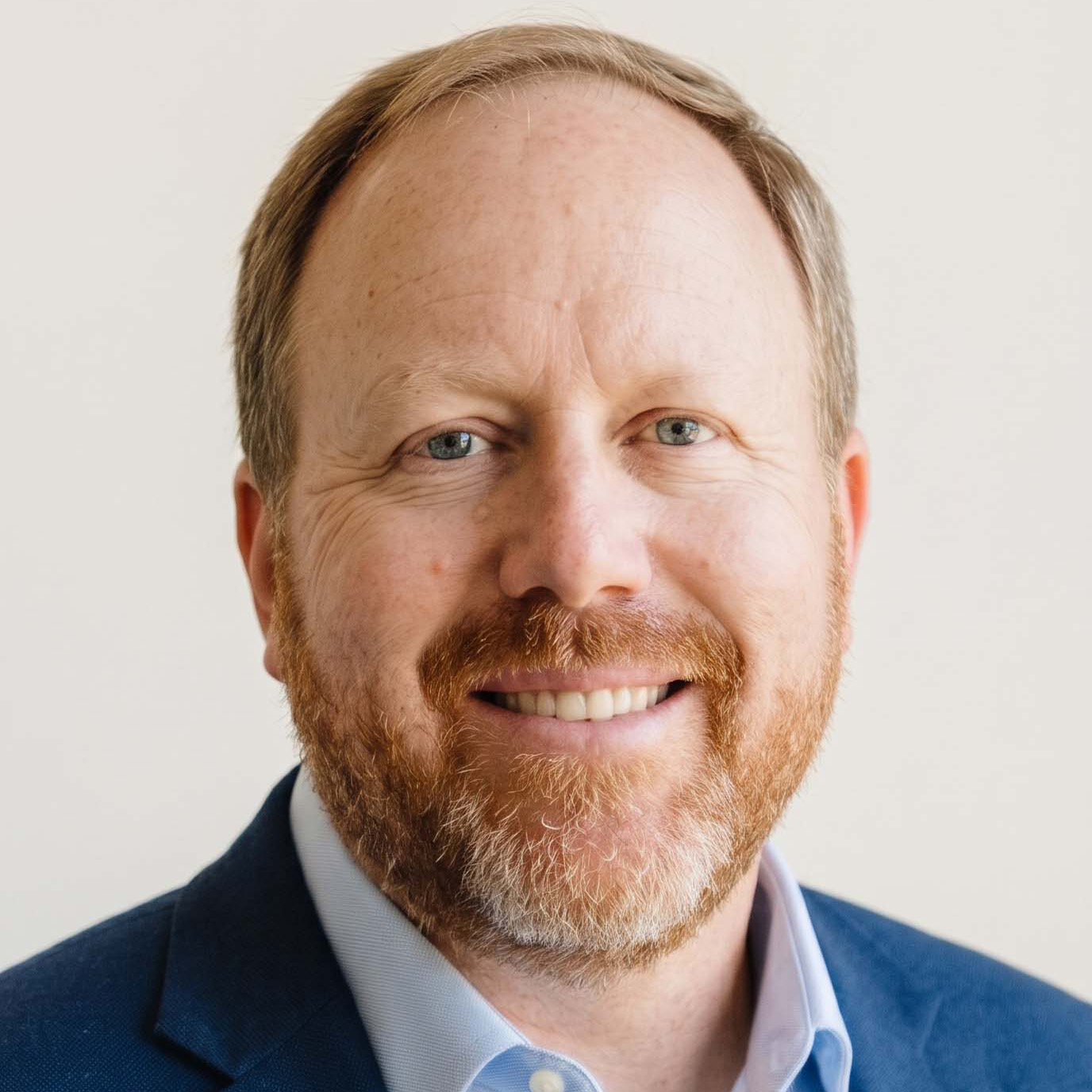
Brad Hall
Delivering Missing-Middle Housing through Small-Scale Development — Rogers, AR
Brad Hall brings 25+ years of leadership in residential construction, operations, and public service. Owner of CMI Construction, he is a retired Air Force Colonel and command pilot. He proudly calls Northwest Arkansas home with his wife and four daughters, giving back to the community by refereeing high school football. Hall holds an M.S. in Logistics and Supply Chain from the Air Force Institute of Technology and a B.S. in Human Factors from the U.S. Air Force Academy.
In Rogers, Hall is helping the City move from policy readiness to real housing production. Rogers has adopted a form-based code and launched Pattern Zones, a free library of pre-approved designs for duplexes, accessory dwelling units, and small homes. Hall will map viable parcels, onboard local builders and lenders, streamline permitting, and support early pilot projects, so that small builders, first-time participants, and everyday residents can use the program to build attainable housing.
As NWA grows rapidly, keeping housing attainable for our local workforce is a complex challenge—and essential to preserving the character and resilience of our communities. I’m excited to bring municipal planning, local builders, and financial partners together to create a predictable, scalable pathway for missing-middle housing.
Through this project, I hope to help make that possible by broadening who participates in housing development and who benefits from it. My goal is for local builders, property owners, and everyday residents to feel empowered to invest in their own neighborhoods, whether by building a duplex, an accessory dwelling unit, or a starter home. If we can build a sustainable system that reduces friction in creating attainable housing here, it can serve as a model for intentional, inclusive growth across the entire NWA region.
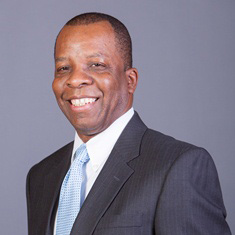
Reginald M. Parker
Establishing a Stormwater Utility for the City of Rogers — Rogers, AR
Reginald Parker is a senior business, operations, governance, risk, and compliance executive with experience leading complex change across regulated environments. His recent work at Walmart included ethics, compliance, health, and AI governance, building on earlier roles at Procter & Gamble in operations, compliance, government affairs, and public policy. He served 25 years as a commissioned Air Force officer, achieving the rank of Lieutenant Colonel, and chairs NABCRMP’s Board of Directors. He holds a J.D., LL.M., and M.A. in Management.
Also in Rogers, Parker is building the organizational, financial, legal, and public-support framework to move stormwater management off the general fund and onto a dedicated, self-sustaining utility. Working alongside the City’s stormwater engineer and drawing on Fayetteville’s model, he will oversee a rate study, governance and staffing options, ordinance development, and public outreach, leading to a Council-ready utility package that funds flood resilience and responsible growth.
What drew me to this particular project was the opportunity to help build something. Rogers is not simply trying to improve an existing program. The city is working to establish a dedicated stormwater utility with sustainable funding, stronger flood resilience, and the capacity to support responsible growth in a rapidly growing region. This role stood out because the Fellow is not there to replace the technical expertise already in place, but to serve as an organizational builder and strategic project lead focused on implementation, coordination, and long-term utility development. What makes it personally meaningful is the chance to do this work in Northwest Arkansas, the community I call home. By helping Rogers build a sustainable utility, I have the opportunity to contribute to the strength and resilience of a region that has become very important to me.
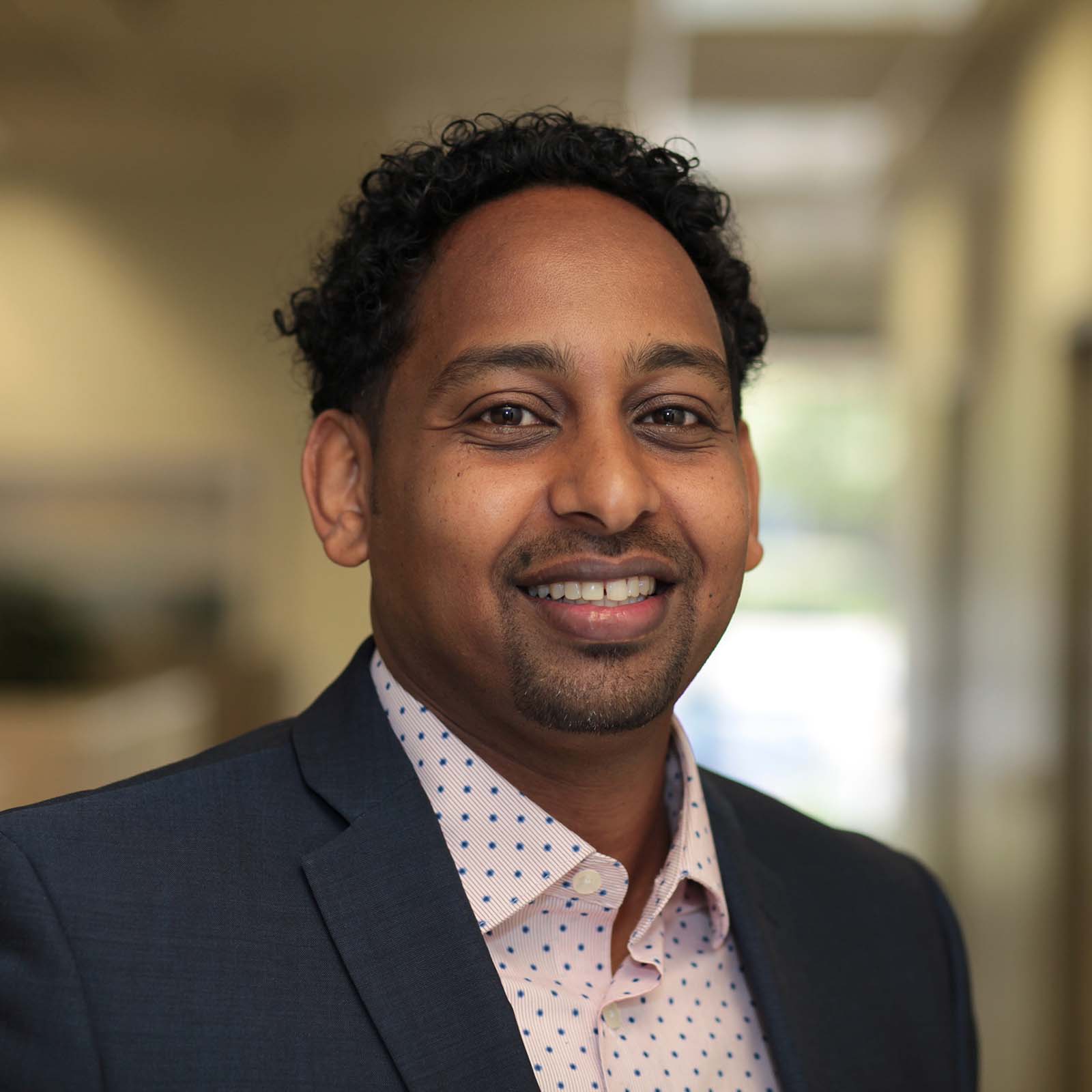
Semere Paulos
Growing a Vibrant Economic Ecosystem in Downtown Fresno — Fresno, CA
Semere Paulos is an operations, compliance, and risk leader with 20+ years of experience in highly regulated environments. Most recently, Paulos served as Vice President and Senior Enterprise Testing Manager at a major national bank, overseeing testing of 300+ high-risk controls. Paulos has led teams of 100+ domestic and offshore staff, delivered more than $20 million in savings as a project lead, and is a Six Sigma Green Belt with formal project management training.
In Fresno, Paulos is helping Downtown and Chinatown capture the full value of several major investments arriving at once: a planned High-Speed Rail stop, funding for a Chinatown real estate investment trust, and a new United Soccer League stadium. Paulos will support the stadium’s progress, from negotiations and cost tracking to sponsorships and financing, while bringing in complementary housing, hotel, transit, and business investments that benefit the residents and business owners already there.
What drew me to this opportunity was the chance to take everything I’ve learned in my career and apply it to work that directly affects the community I call home. I see real potential in Fresno, especially downtown. I also know that meaningful change doesn’t happen just because there’s a good idea or a strong plan. It takes people working together, building trust, listening to different perspectives, and following through on their commitments. What excites me most about this fellowship is the chance to bring together people who may have different interests but ultimately want the same thing: a stronger community.
I want to be part of the project that will bring life back to downtown Fresno. I believe sports and community development can do that. They give people a reason to come downtown, and once they’re there, a reason to stay. I hope to help build something that becomes a staple of the city: a downtown where people come to work, shop, and connect with one another. When that happens, small businesses have room to grow, residents feel connected to their downtown, and families have more reasons to visit, spend time, and invest.
I don’t expect to solve every challenge. But I do hope to help build the relationships, processes, and partnerships that keep this work going long after my fellowship ends. For me, success would mean knowing I played a part in moving Fresno forward and that the work we started created opportunities for others.
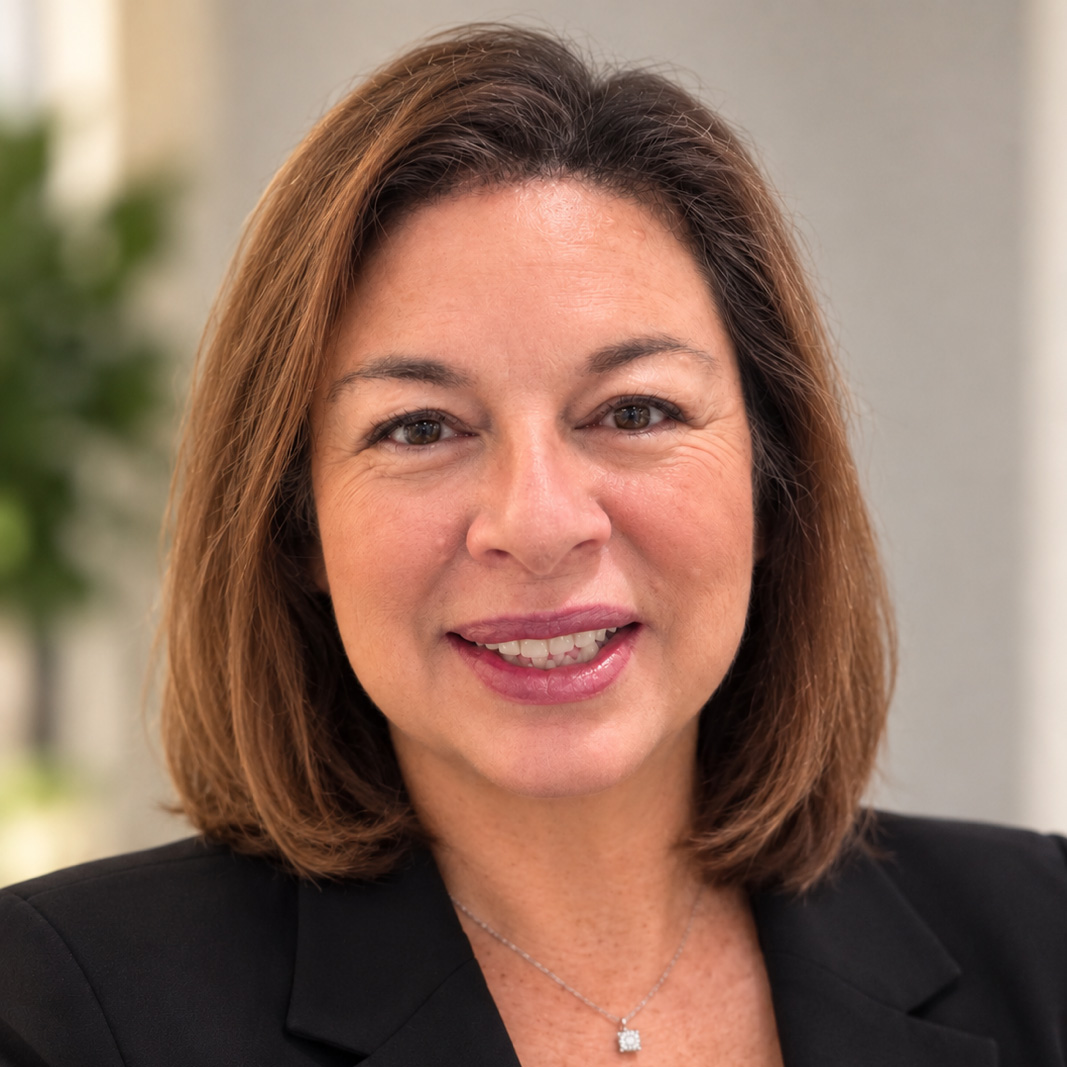
Ivonne Der Torosian
Strengthening Pathways to Family Economic Mobility — Fresno County, CA
Ivonne Der Torosian brings more than 20 years of healthcare leadership experience, advancing health equity and strategic community investments across California’s Central Valley. She serves as Board Chair of United Way of Fresno and Madera Counties and on several nonprofit boards, including CASA, One Fresno Foundation, and Beyond Housing Foundation. She holds a Master of Public Administration and is passionate about cross-sector collaboration and building healthier, stronger communities.
With the Fresno County Superintendent of Schools and the Fresno Cradle to Career Initiative, Der Torosian is turning strong partnerships into a more cohesive system for families. Many families struggle to navigate health, education, and employment systems that operate separately. She will map programs across more than 100 partners, identify gaps, and build an integrated framework linking healthcare access, workforce development, and shared data, along with a funder-ready investment strategy.
What draws me to the FUSE Executive Fellowship is the opportunity to build on my experience in healthcare and community health to create meaningful, lasting change in Fresno County. Having lived in the Central Valley for more than 30 years and raised my two children here, I have a deep personal commitment to the health and well-being of our communities. Throughout my career, I have worked to strengthen partnerships, address barriers, and improve outcomes for residents. I have seen how a lack of coordination between healthcare, education, workforce, and social services can make it harder to achieve meaningful change. I am excited by the opportunity to work as a FUSE Executive Fellow within the Office of the Fresno County Superintendent of Schools to bring these systems together so families have greater access to the resources and opportunities they need to thrive.
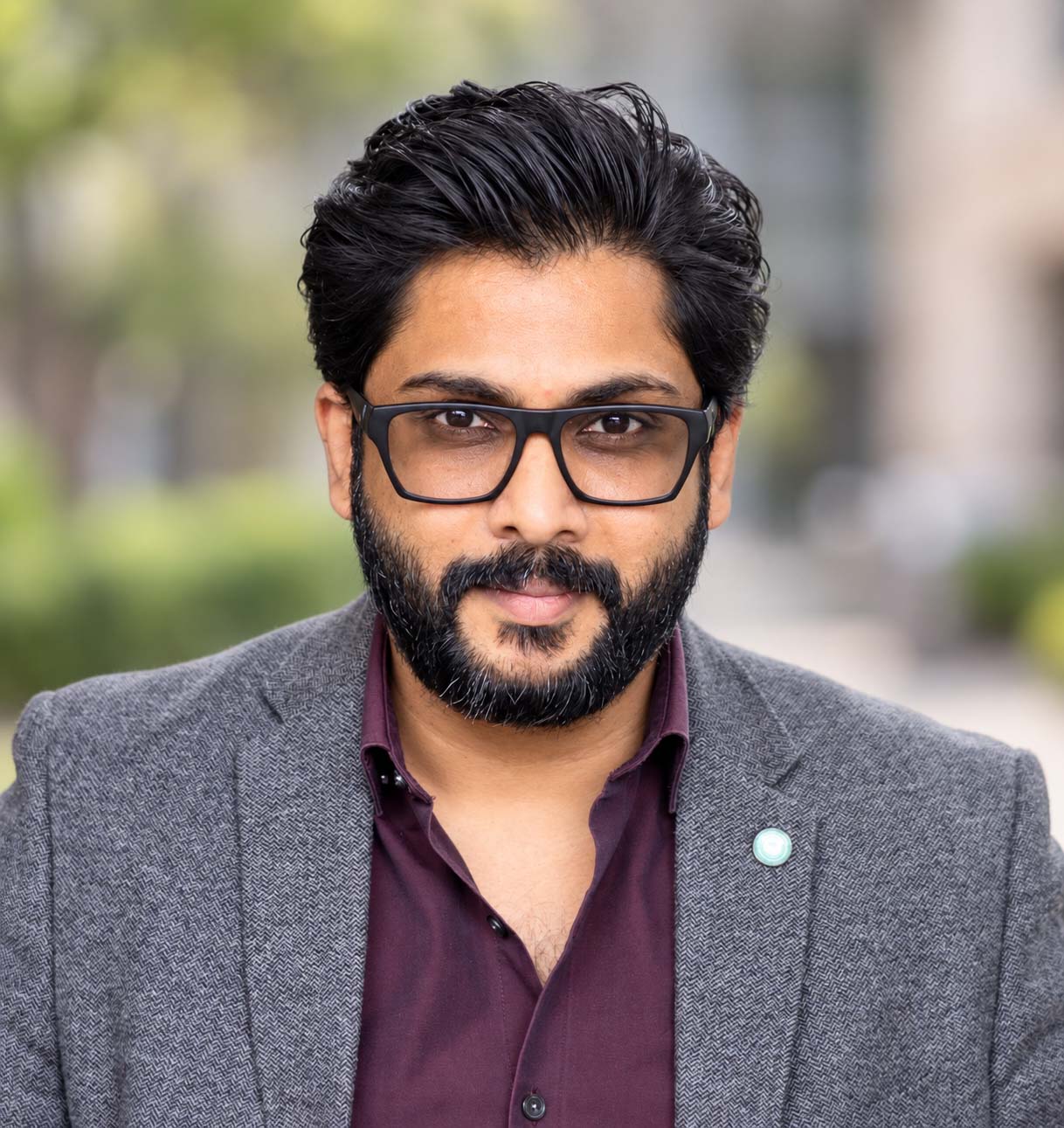
Nikhil Jadhav
Advancing Solar Street Lighting for Resilient Infrastructure — Los Angeles, CA
Nikhil Jadhav is an energy leader and management consultant with 20 years’ experience in energy development, decarbonization, and public policy. Recently, he conducted research on energy trade and geopolitics at Harvard’s Belfer Center. Previously, he advised governments and businesses at BCG, helped shape COP29, and managed major oil and gas field projects. He holds an MPA from the Harvard Kennedy School, an MSc from the London Business School, and a degree in petroleum engineering from MIT, Pune.
In Los Angeles, Jadhav is helping the Bureau of Street Lighting rethink how it powers one of the largest municipal street lighting systems in the country. Its poles now also carry telecommunications equipment, EV chargers, and public safety technology. He will map current and future energy demand across the network and develop a strategy for shifting more than a quarter of its 200,000+ lights to solar-to-battery power while keeping every service running reliably.
My hope is that communities experience more dependable lighting, greater confidence in their public infrastructure, and streets where they feel comfortable moving, gathering, and participating in neighborhood life after dark. Equally important is leaving the Bureau of Street Lighting with a clear, practical foundation for continued improvement. I would consider this work successful if it helps Los Angeles demonstrate how investments in sustainability can strengthen both essential services and the city’s ability to meet its residents’ needs over time.
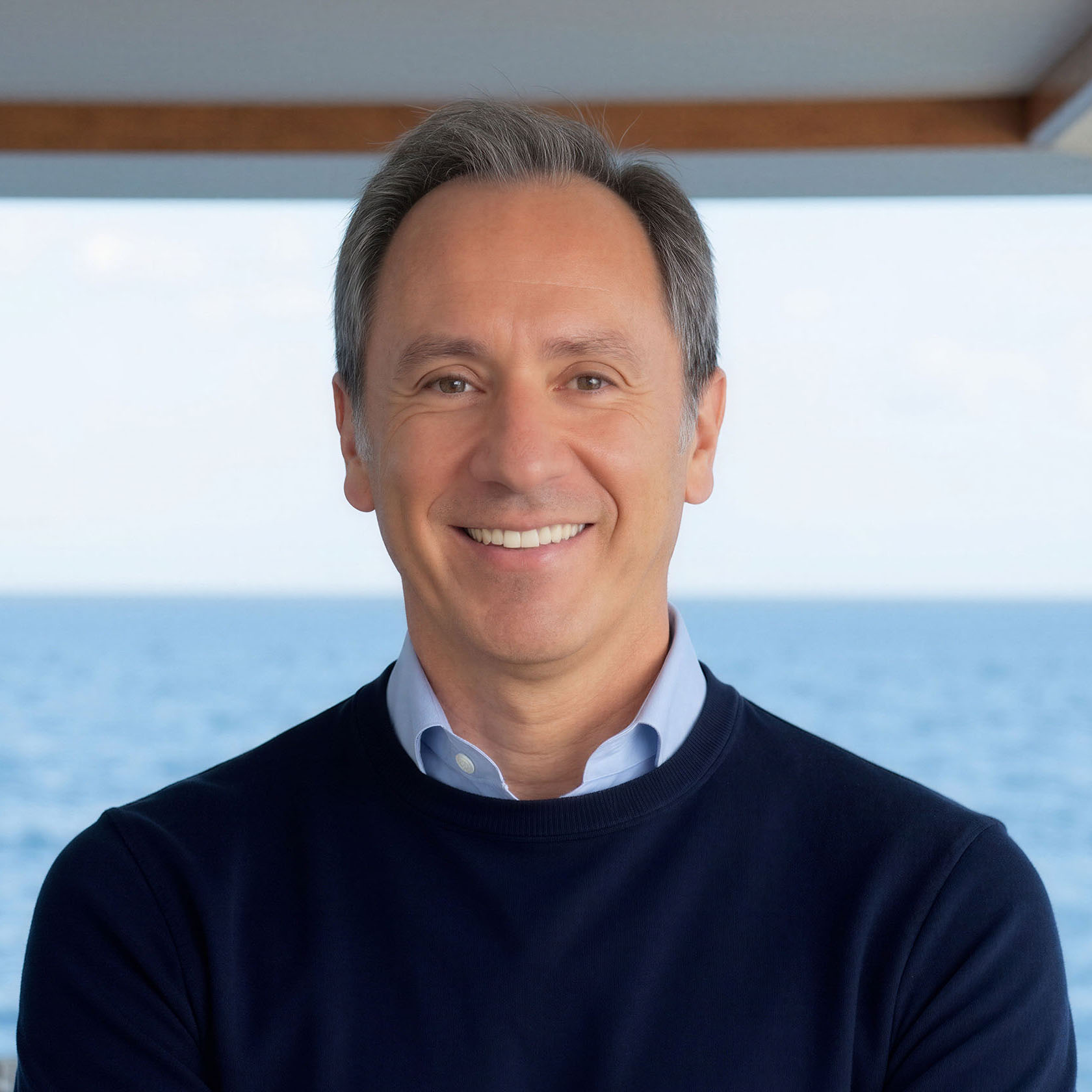
Peyman Pouryeganeh
Aligning Utility Transformation with Ratepayer Affordability and Equity — Los Angeles, CA
Peyman Pouryeganeh is a technology leader with over 20 years of experience in telecommunications and software development. Before joining FUSE, he served as Principal Product Manager at Ingram Micro, leading development of a global enterprise platform supporting a large-scale, high-volume renewal business. He has led complex cross-functional programs and conducted extensive research on U.S. broadband connectivity. He holds a bachelor’s degree in Electrical Engineering from Concordia University and an MBA from the University of Warwick.
In partnership with the City’s Office of Public Accountability, the independent ratepayer advocate for the Los Angeles Department of Water and Power, Pouryeganeh is ensuring major utility investments deliver affordability and fair benefits. As LADWP pursues 100% clean energy by 2035 and deploys millions of advanced meters, he will quantify customer savings from those meters, evaluate affordability programs to address access barriers, and build repeatable tools to analyze rate proposals.
I was drawn to the FUSE Fellowship because it gives me the opportunity to use my technology and product leadership experience on work that directly benefits the community. I’m especially interested in using reliable data to improve decisions, strengthen accountability, and help ensure utility investments deliver affordable and equitable value to ratepayers in Los Angeles. Through this project, I hope to help make the utility system more transparent, customer-focused, and accessible, while leaving behind practical tools and approaches that can support the Office of Public Accountability make better decisions over time.
Pamela Arnold
Advancing Renewable Energy Affordability Strategy — Los Angeles County, CA
Pamela Arnold is a regulatory affairs, compliance, and program management leader with over 25 years of experience in the utility industry. She previously served as Senior Manager of Regulatory, Compliance, and HR Project Management at one of California’s largest utilities, leading regulatory initiatives, strategic planning, and organizational transformation. Arnold holds a bachelor’s degree in Economics from the University of California, Irvine, and an MBA from California State University, Fullerton.
In Los Angeles County, Arnold is helping the Chief Sustainability Officer address rising energy costs that weigh most heavily on residents with lower incomes and renters. Because state bodies make many pricing decisions, she will map relevant state proceedings, help draft comments and policy positions, and build a system to prioritize the County’s engagement, while identifying ways to expedite permitting for renewable installations on County facilities.
I’m a project manager at heart, so I’m excited by the opportunity to combine my experience with regulatory strategy and organizational improvement. Also, as a LA County resident, I have a personal interest in the project’s success. Energy affordability and access to clean, reliable energy directly affect the community in which I live. The opportunity to use my professional experience to help shape policies that benefit my community makes this fellowship especially meaningful to me.
Amanda Pegues
Strengthening Coordinated Service Delivery for Residents Experiencing Homelessness — San Francisco, CA
Amanda Pegues is an organizational strategy and transformation leader with experience spanning technology, financial services, and consulting, including leadership roles at Intuit, Amazon, PwC, and JPMorgan Chase. She specializes in organizational design, operating-model transformation, and helping leaders navigate complex change. Pegues holds an MBA from Emory University’s Goizueta Business School, completed executive education at Stanford University, and is an ICF Associate Certified Coach and Georgetown-trained executive coach.
In San Francisco, Pegues is helping the Department of Homelessness and Supportive Housing align its internal operations with the scale of its mission. Since its creation in 2016, the department has grown significantly in funding and services, but its structures have not kept pace. She will map core workflows and handoffs, clarify ownership of key functions, and pilot improvements with staff so that residents experiencing homelessness receive more timely, responsive support on the path to stable housing.
I believe some of our most consequential leadership challenges exist at the intersection of institutions, systems, and the communities they serve. After years of helping organizations navigate complexity and transformation, I was drawn to FUSE by the opportunity to apply that experience to public service.
San Francisco’s homelessness crisis demands more than individual programs or incremental solutions. It requires stronger coordination, clearer accountability, and systems designed around the dignity and needs of people. I’m excited to partner with public servants and community stakeholders to help build more effective, connected, and sustainable ways of working.
For me, FUSE represents an opportunity to bring together organizational transformation, civic leadership, and a deeply held belief that stronger systems can create healthier communities and better outcomes for everyone.
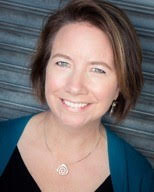
Christine Garofoli
Advancing Population Health Integration for Efficient Service Delivery — San Francisco, CA
Christine Garofoli is a customer experience and digital strategy consultant and the leader of Garofoli Strategies Consulting. She has over 20 years of experience in Fortune 50 companies, leading digital transformations with a strong focus on the customer. She is the President of her neighborhood business district association, focused on supporting small businesses. She has a B.A. in Journalism and Italian from the University of Wisconsin-Madison and an MBA from the Middlebury Institute of International Studies.
With the Department of Public Health, Garofoli is helping connect physical health, behavioral health, and social services into a more seamless system of care, especially for Medi-Cal enrollees, uninsured residents, and people experiencing homelessness. She will turn the San Francisco Health Network’s strategic plan into a phased roadmap, define roles and handoffs across divisions, and build care coordination tools and dashboards with staff.
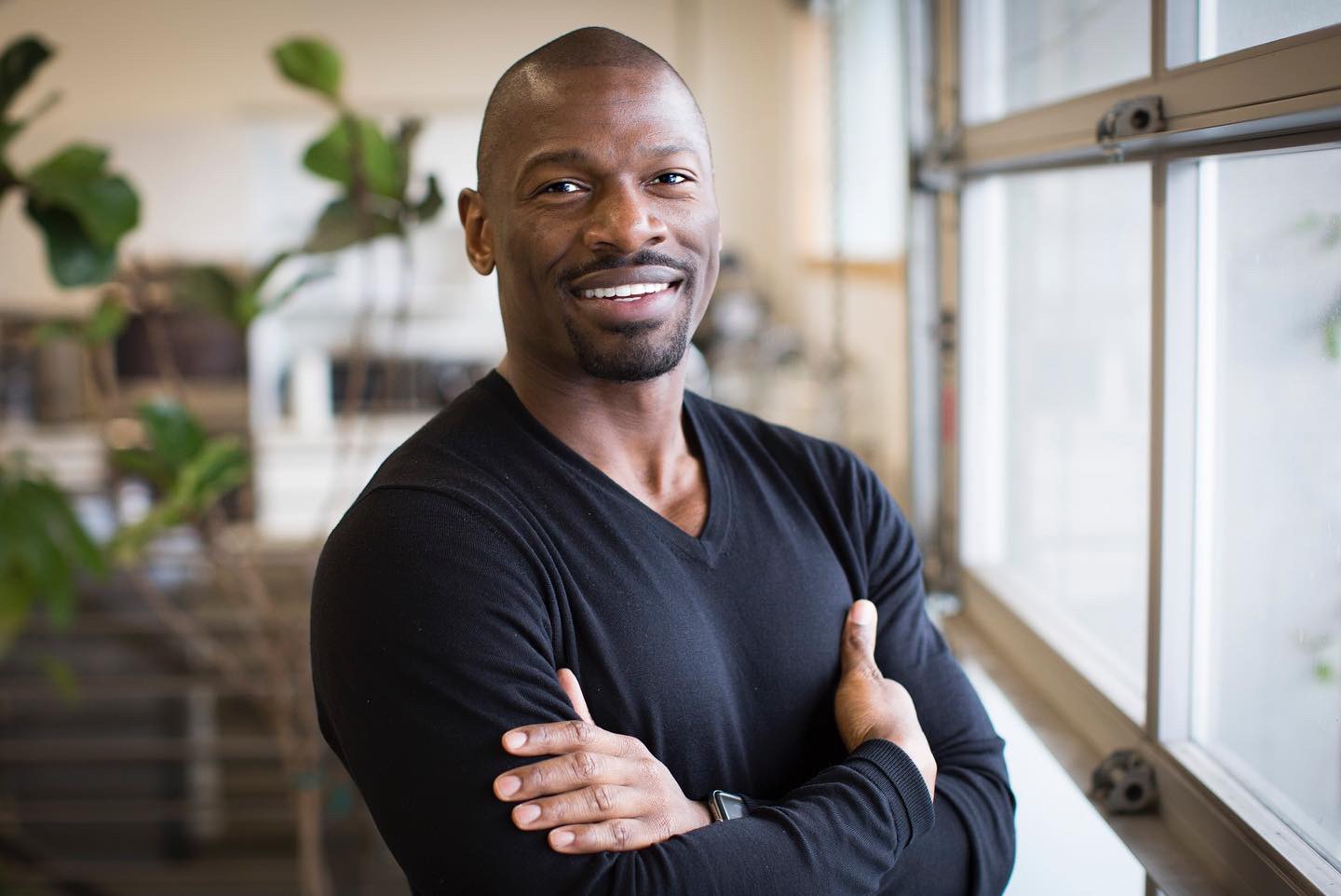
Jermaine Gause
Missing Middle & Innovative Housing Delivery Models — San Francisco, CA
Jermaine Gause has over 20 years of commercial real estate experience, beginning in housing development in Washington, D.C. He recently advised Stillport, a wellness startup, on real estate growth strategy. Previously, he held leadership roles at CIM Group, AvalonBay Communities, Kimpton Hotels, Sonder, and Getaway, closing over $817 million in acquisitions and dispositions. He is a recent board member of Visit Oakland and holds a B.S. in Urban and Regional Studies and a Master of Professional Studies in Real Estate from Cornell University.
With San Francisco Planning, Gause is helping close a housing gap estimated at 82,000 units, with the largest shortfall for non-affluent households. Building on the Family Zoning Plan, he will oversee a financial feasibility analysis of missing-middle housing types, a library of pre-approved plans for small multifamily buildings with family-sized units, and code changes, such as single-stair reform, that lower the cost of building in the city’s north and west.
San Francisco has already done the work to show where new housing can go. The next step is to turn that capacity into homes that are actually built, especially for moderate-income households.
My career started in Washington, D.C., developing mixed-income housing, and one of my proudest moments was handing a first-time homeowner the keys to a renovated unit in a previously vacant apartment building. This fellowship is a chance to return to the affordable housing sector with a proven skill set to help build the system that delivers housing opportunities at a greater scale.
Joe Harrington
Streamlining Lease-Up Processes to Accelerate Affordable Housing Access — San Francisco, CA
Joe Harrington specializes in building trust-based partnerships and implementing cross-sector programs that deliver business results and community impact. As Director of Partnerships at SaverLife, he led initiatives to improve financial stability for low-income earners, including an enterprise partnership with Target. Previously, at the California Charter Schools Association, he developed and managed loan programs that delivered $100 million to public schools with urgent cash-flow and facility needs. Harrington holds an MBA from UC Berkeley Haas and a BBA from the University of Wisconsin–Madison.
With the Mayor’s Office of Housing and Community Development, Harrington is speeding up the process by which residents move from winning a housing lottery to signing a lease. After the City’s DAHLIA lottery, leasing is handled by many nonprofit developers and property managers with different rules and requirements. He will bring providers together to standardize selection criteria and leasing protocols where possible and work with the City’s Digital Services team to improve DAHLIA.
I’ve lived in San Francisco for over 20 years, and witnessed booms, busts, and many transformations. I’m excited about the energy and investment towards revitalizing our City. The FUSE Fellowship gives me the opportunity for deep and scalable impact in improving the lives of my fellow residents. My hope is that through this project, a more streamlined process saves meaningful time and effort for our housing partners, enabling eligible residents to move into their new homes sooner.
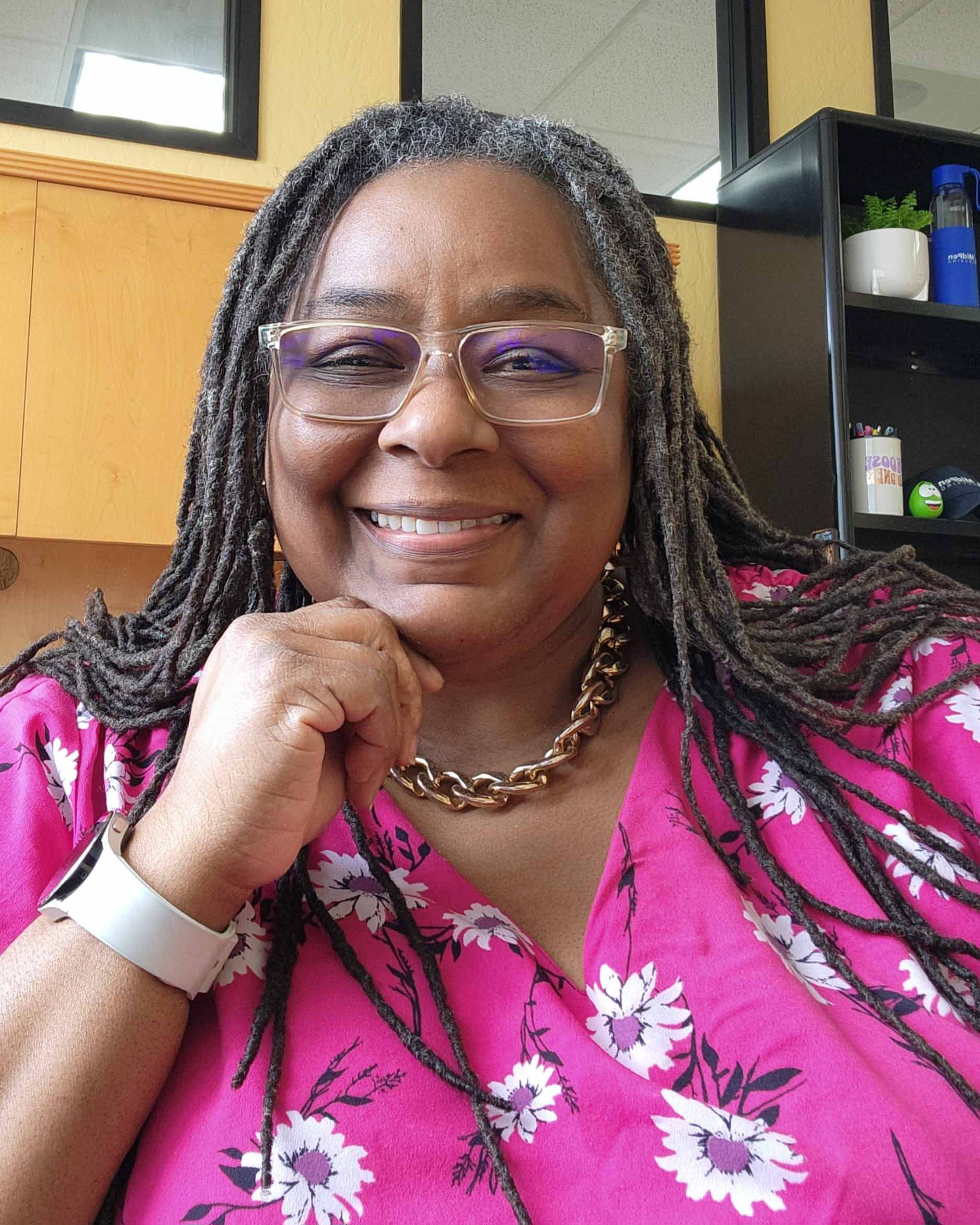
Salena Boone
Modernizing Agencywide Benefit Training Systems — San Francisco, CA
Salena Boone is a learning and talent development leader with 15+ years of experience helping people grow and organizations thrive. At MidPen Housing, she partnered with leaders to strengthen talent development and prepare employees for the evolving needs of the workforce. Boone repositioned learning and development as a strategic partner, led the implementation of a new performance management platform, and developed new manager and leadership cohort programs. She holds a master’s in HR Development from Clemson University.
With the Human Services Agency, Boone is helping keep CalFresh and Medi-Cal benefits accurate and accessible amid major federal and state policy changes. She will map the full training lifecycle for eligibility staff, improve the curriculum, and pilot tools such as micro-learning modules and step-by-step guides, building a more nimble training model so that residents continue to receive essential support when they need it.
What drew me to this project and FUSE Fellowship was the opportunity to support and empower the people who serve our communities every day. This project resonates with me because it brings together my professional experiences with my commitment of being of service to others. Through this fellowship, I hope to build a more agile, accessible learning environment that equips teams to navigate change with confidence and focus on delivering timely and accurate services.
Ultimately, I want this project to create an environment where employees feel equipped, valued, and supported, and where San Francisco County residents experience fewer obstacles to accessing essential benefits. Success, to me, means strengthening the agency’s ability to adapt, fostering a culture of continuous learning, and establishing sustainable practices and processes that endure.
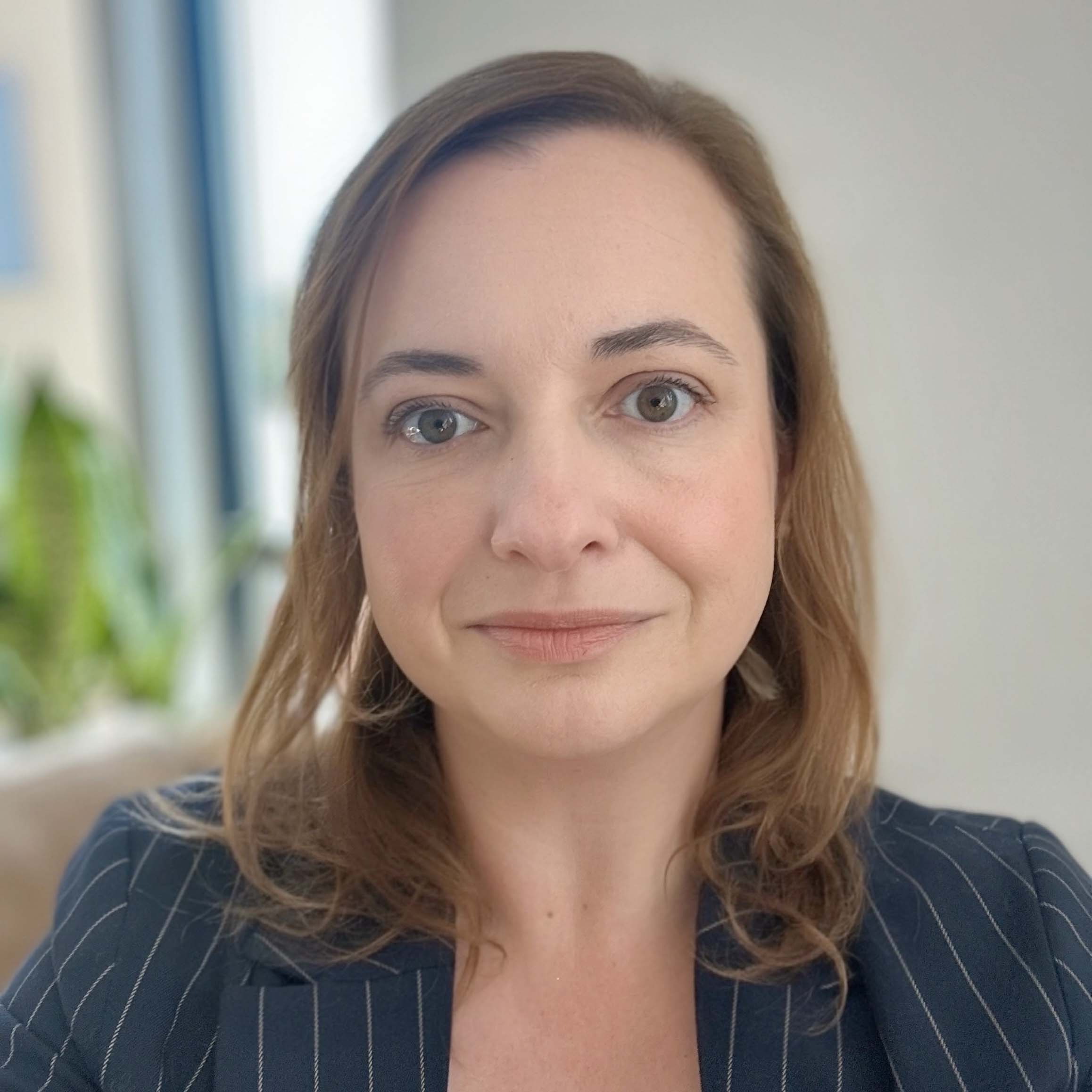
Sarah Fishleder
Financial & Policy Analysis for Sustaining and Stabilizing Single Room Occupancy (SRO) Hotels — San Francisco, CA
Sarah Fishleder, AICP, is a public finance and real estate strategist with more than 20 years of experience spanning municipal government, public-private partnerships, capital planning, and housing market analytics. As Founder of Public Asset Advisors, she advises cities on public real estate transactions. Fishleder has held leadership roles at the San Francisco Municipal Transportation Agency, UC Agriculture and Natural Resources, and Clear Channel, and led housing market analytics at CitiMortgage. She holds a Master of City and Regional Planning from the University of Pennsylvania and a B.A. in Philosophy from Wellesley College.
With San Francisco Planning, Fishleder is working to stabilize roughly 20,000 single-room occupancy units in about 500 buildings, a vital source of affordable housing now under pressure from rising costs and deferred maintenance. She will assess capital needs, build financial models demonstrating how upgrades could be financed and sustained, and recommend policy and code changes that enable upgrades without displacing tenants.
For thousands of residents, an SRO room is the last step before homelessness, and many of these buildings are more than a century old. What drew me to this project is that it brings together the work I care about most: housing, public finance, and helping cities make difficult decisions well. Over my career I have worked on both the public and private sides of these questions, and I have seen how much depends on getting the underlying economics right. This project asks how the City can keep these buildings safe and affordable when neither tenants nor operators can carry the cost alone, and I would love the chance to help answer it.
My hope is that residents will live in buildings that are safer and better maintained, without being priced out or displaced along the way. I would like to leave Planning with a clear, shared picture of the SRO stock: which buildings need investment most, what different policy options would cost, and who would bear those costs. Most of all, I hope future decisions about SROs will be made in the open, with the numbers visible to everyone, including the tenants and community organizations who have the most at stake. If that picture is still being used a few years from now, I will feel the work made a real difference.
Shanti Kim
Advancing Population Health and Equity Outcomes — San Francisco, CA
Shanti Kim is a healthcare strategy and operations executive with 20+ years of experience dedicated to improving patient access and leading large-scale cross-functional transformation. Her background includes serving as Chief of Staff for Genentech’s managed care organization, leading Genentech’s B2B relationship with Kaiser Permanente, advancing insurance partnerships at Included Health, and co-founding a market access consultancy. She holds an MBA from UNC Chapel Hill’s Kenan-Flagler Business School and a BSE in Bioengineering from the University of Pennsylvania.
Also with the Department of Public Health, Kim is helping turn the department’s commitment to health equity into measurable results. She will align programs, partnerships, and data across divisions, clarify ownership, and set up a performance framework, with priority areas including overdose prevention, cardiovascular health, and maternal and infant health.
I have been actively looking for ways to pivot my experience into the public sector, which is what drew me to FUSE. A mentor once shared a piece of advice that always guides me: the best next roles are those where you can add immediate value while remaining open to learning. The ‘Advancing Population Health and Equity Outcomes’ project with the San Francisco Department of Public Health (SFDPH) perfectly aligns with that mindset and my passion for healthcare equity. Having lived in San Francisco and the East Bay for the past 22 years, I believe this fellowship offers a meaningful way to leverage my background to give back to the community I call home.
I hope this project has a meaningful impact on the community and expands equitable access to high-quality care for San Francisco’s most vulnerable populations. By leveraging my core strengths in strategy, operations, and communications, my goal is to help SFDPH strengthen systems that remove barriers to care, thereby ensuring long-term health equity and better health outcomes for all San Franciscans.
Michael Kleist
Supporting California’s Forest Health Goals through Technology Investments — State of California
Michael Kleist is a professional in the renewable energy, energy transition, and waste industries. He was previously Vice President of Business Development at Sierra Energy, a waste gasification technology company. Before Sierra, he was co-founder and COO of a B2B company focused on international trade and supplier verification in the Asia-Pacific region. Much of his career has been spent helping start-up companies grow and fundraise.
In partnership with the California Department of Conservation, Kleist is supporting a new $50 million statewide grant program that turns excess forest biomass into products such as low-carbon building materials and soil amendments. He will design the grant solicitation, evaluation criteria, and technical assistance, working with tribal nations, industry, and communities, to ensure the program reduces wildfire risk while creating new economic opportunities in rural areas.
What drew me to this project was the opportunity to take an active role in helping address California’s wildfire issues. I think working with the State’s Department of Conservation (DOC) to design a grant program to transform excess forest biomass into sustainable construction products and regenerative agricultural applications is an exciting and challenging project that also directly impacts my own near-forest community.
I hope this project will not only help with wildfire mitigation and forest resilience but also provide new economic life to struggling rural communities through job generation and business creation. I hope it also helps create closer ties among the other agencies, local governments, private-sector businesses, tribal nations, and community organizations that all have a stake in California’s forests.
Sydni Sayles
Revitalizing Jacksonville’s Urban Commercial Corridors — Jacksonville, FL
Sydni Sayles is a marketing, events, and community engagement leader with 20+ years of experience. She leads The Sayles Group and previously served as Director of Marketing, Events, and Activations at Build in Tulsa. Named Corporate Woman of the Year in 2024, she is a member of Delta Sigma Theta Sorority, Incorporated, and past president of Las Vegas Urban League Young Professionals. Sayles holds a BFA from Dillard University, with minors in Communications and Business.
In Jacksonville, Sayles is working with the City and LIFT JAX to bring new energy to commercial corridors in neighborhoods such as Historic Eastside, Springfield, Brooklyn, and LaVilla, which are connected by the emerging Emerald Trail. She will meet with business owners, residents, and partners, then craft corridor-specific revitalization plans and financing strategies that support existing residents and businesses without displacing them.
What drew me to this project was the opportunity to work directly with communities and help turn ideas into something people can actually see, feel, and benefit from. I am especially drawn to the opportunity to listen to residents and business owners, understand what they want for their neighborhoods, and help create a path for investment that reflects those priorities.
I hope that through this project, residents see stronger local businesses, more opportunity, and renewed energy in the places they already call home. Most importantly, I want people to feel like this work is being done. If, at the end of this fellowship, communities feel heard, small businesses have more opportunities to thrive, and Jacksonville has a model for strengthening neighborhoods in a way that can continue long after my fellowship ends, I will feel like we accomplished something meaningful.
Avery McDougle
Advancing Community Connectivity and Public Life in North Omaha — Omaha, NE
Avery McDougle brings 18+ years of marketing and communications leadership across corporate, nonprofit, and public health sectors. Founder and chief strategy officer of Correct Strategies, he has experience with Comcast and GE Capital. He led a statewide public health campaign named a North American SABRE Awards finalist in Integrated Marketing and serves as board vice chair of Positive Impact Health Centers. He holds a B.S. in Communications from Southern Adventist University and a Certificate in Fundraising Management.
In Omaha, McDougle is working with the City, 75 North Revitalization Corp. and Canopy South to strengthen community connectivity in North Omaha, where decades of redlining and the construction of Highway 75 split neighborhoods apart. He will design and launch a “public life” framework that aligns workforce development, youth and senior activation, and neighborhood services, and activates underused spaces as community hubs.
Omaha raised me, but living in Atlanta opened my eyes to what it feels like to be surrounded by Black culture, ambition, and possibility in everyday life. Atlanta has been a cultural home for me, and that experience shaped what drew me to this project. I saw an opportunity to bring what I’ve learned to the city where I grew up and help strengthen the connections between North and South Omaha, the greater Omaha community, and the people making decisions about its future. The chance to do that work through the Mayor’s Office intrigued me because I want to understand how community concerns become city priorities and help residents have a stronger hand in that process.
I still have family in Omaha, and I care about what happens there. My hope is that this project helps residents in North and South Omaha’s Black and Brown communities build stronger relationships across the city, connect with opportunities, and have access to the people whose decisions affect their lives. I want to listen to what people feel has been missing and help turn those concerns into something they can see and experience. People should be able to build a life they’re excited about in the communities they care about, with real reasons to stay.

Juperi Johnson
Activating Agricultural Land Use for the Bernalillo County Community — Bernalillo County, NM
Juperi Johnson is an entrepreneur, marketing strategist, and community advocate. As founder of HerAI Foundation, she expands AI education and entrepreneurship opportunities for youth, women, and underserved communities. A patent holder, she developed a beauty wellness product with retail and hospital placements. Previously, she spent eight years as a Senior Marketing Analyst at Booz Allen Hamilton. She holds a Master of Business Administration.
In Bernalillo County, Johnson is helping bring a newly acquired 34-acre agricultural property to life for residents, students, and small growers. Sitting across from a high school, the site will hold demonstration gardens, leasable fields for beginning farmers, and habitat space. She will engage schools, growers, and neighbors, research how other communities run small agricultural hubs, and create fair, accessible lease templates.
I’m from New Mexico, and I’m raising my children here, so this project is personal. What drew me to this project was the chance to support local growers in my community. I’m passionate about entrepreneurship, and I see this as an opportunity to help people turn their knowledge and hard work into businesses that support their families and our local economy.
I want to see this succeed because it can mean more growers building sustainable businesses, and more young people seeing a future in this work.
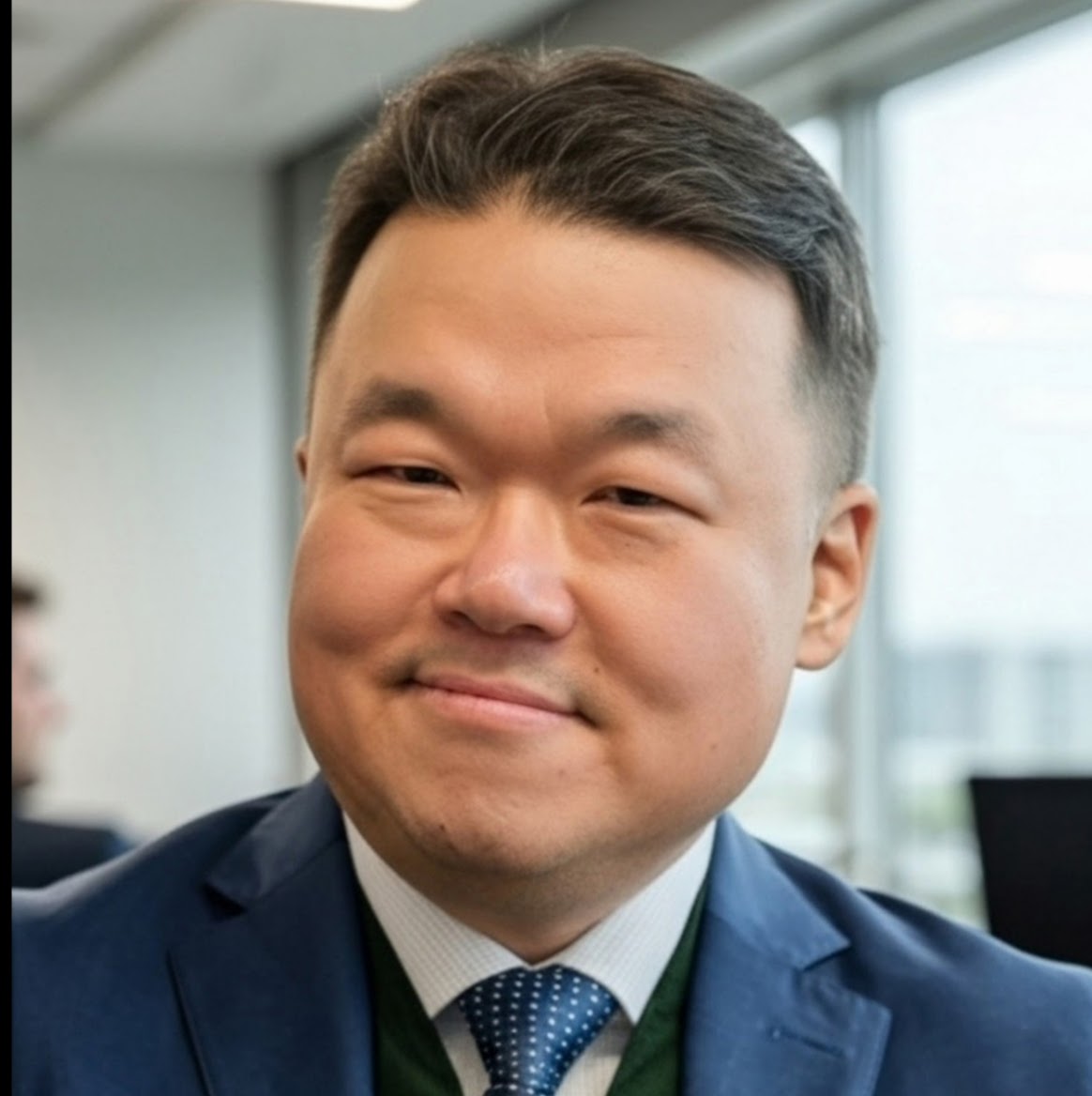
Edward Lee
Expanding Equity and Excellence Across the DEP Meter-to-Cash Customer Experience — New York City, NY
Edward Lee is a digital transformation leader with experience across consulting, financial services, telecom, and technology, helping organizations implement software and redesign processes. Most recently, he served as Senior AVP of VoC Analytics at Wells Fargo. Previously, he held roles at Verint Systems, American Standard, and Slimware Utilities, and independently built two AI products, EnterpriseCX.ai and GigCute. He holds Prosci change management, IBM, and Google AI certifications, as well as a B.S. from Carnegie Mellon University.
In New York City, Lee is improving the customer experience at the Department of Environmental Protection’s Bureau of Customer Services, which handles metering, billing, and inquiries for more than 840,000 customers. He will map the customer journey, create clearer communications across bills, letters, the website, and call centers, and lead up to three pilot projects.
What drew me to this project is the opportunity to make a notable impact for DEP and help improve how they service their customers. I’ve never had the opportunity to work in the public sector, so it is also an exciting new experience for me.
I hope that I will be able to help improve customer service performance levels and improve the experience not only for the customers, DEP serves, but also the organization day to day, by developing a roadmap for continued efficiency and more streamlined work processes.
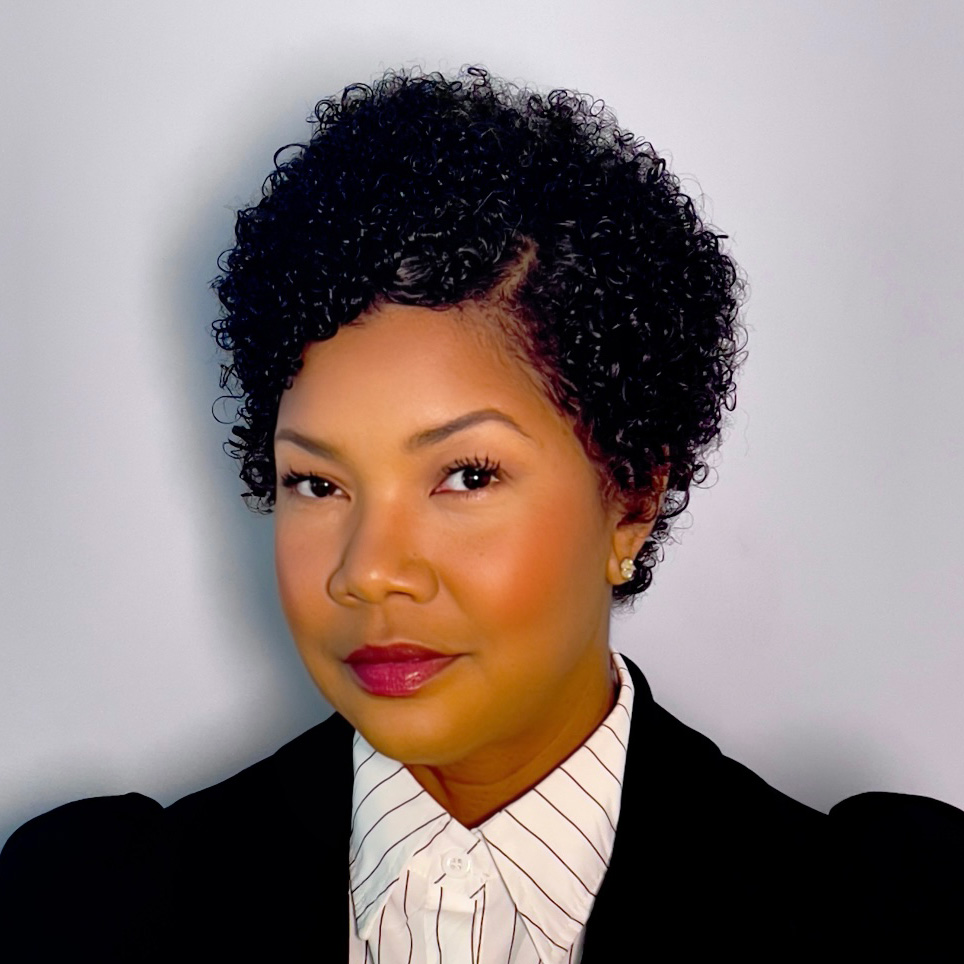
Kelley Johnson
Establishing a Citywide Children’s Cabinet in Rochester — Rochester, NY
Kelley Johnson brings more than 25 years of experience spanning human resources, organizational transformation, project management, and community engagement. She spent 13 years leading complex government contracts and strategic initiatives supporting the U.S. Departments of Transportation, Defense, and Education. Most recently, she led the Diverse Care Project in Rochester, engaging the faith-based community around aging at home and the role of home healthcare services in supporting older adults.
In Rochester, Johnson is working with the City and ROC the Future to establish a citywide Children’s Cabinet. ROC the Future already convenes more than 30 partners around milestones like kindergarten readiness and high school graduation; the Cabinet will add executive-level coordination and accountability. She will define its governance, strengthen data sharing, and align initiatives such as literacy and community schools under a single framework.
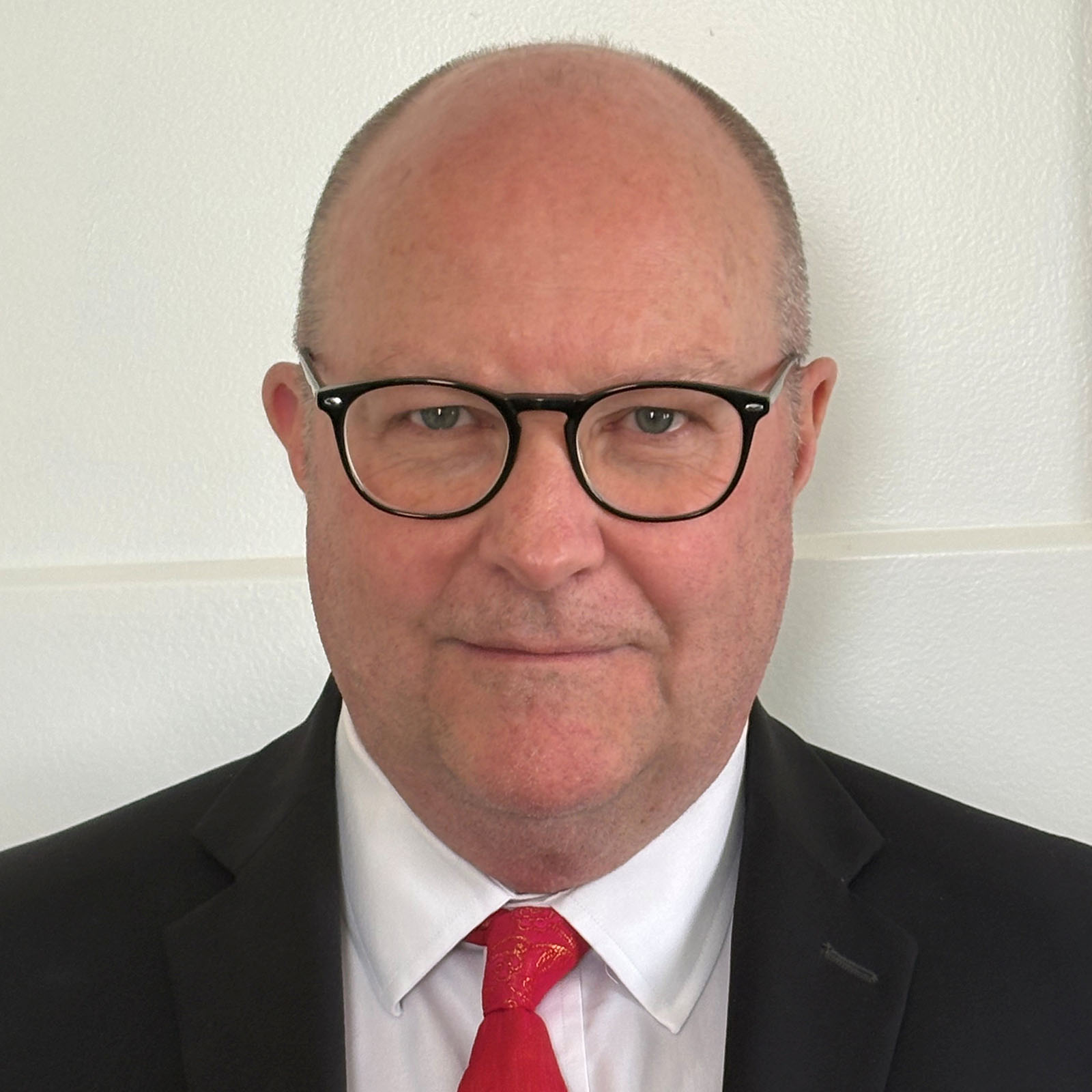
Todd Folsom
Developing Rural Place-Based Partnerships to Improve Career Pathways — Central Utah
Todd Folsom is an executive management and consulting leader with 30+ years of experience building and scaling professional services, enterprise sales, and strategic marketing organizations across high tech, software, consulting, telecommunications, and financial services. He is known for leading complex, end-to-end transformations while strengthening executive client relationships, partner alliances, and high-performing teams.
With R6 Regional Council and Utah’s Promise, Folsom is bringing the Promise Partnership Utah model to rural communities in central and southern Utah. He will work with a pilot group of communities to identify three to six local backbone organizations, establish governance and shared data practices, and help partners develop long-term plans to improve youth outcomes and economic mobility.
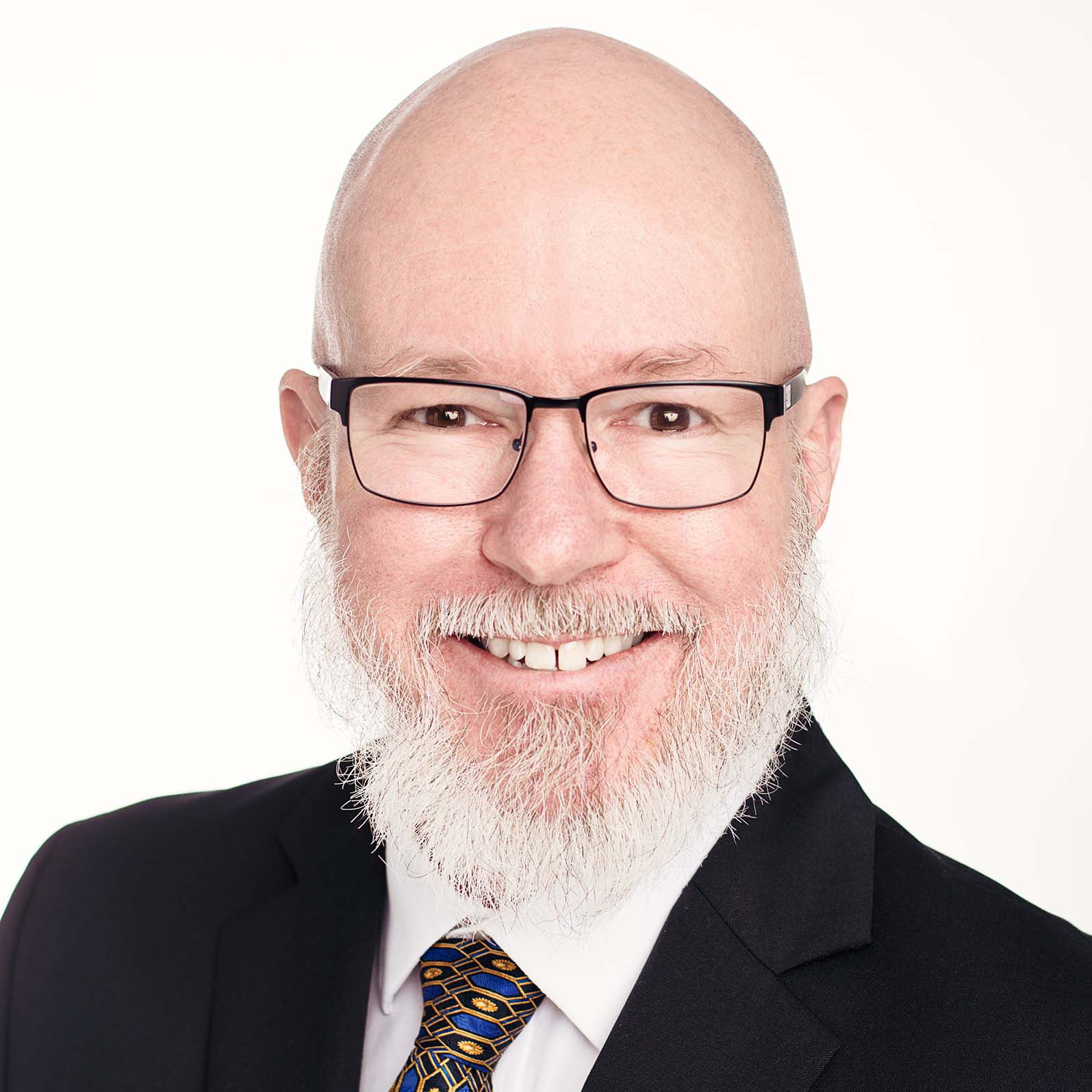
Kevin Boyett
Advancing a Mixed-Income Housing Development Pipeline in Spartanburg — Spartanburg, SC
Kevin Boyett is a Spartanburg-based real estate development executive with 20+ years of leading mixed-income and mixed-use projects across the Southeast. As Founder and President of Purlieu Development and former SVP at Horizon Development Properties, he led North Carolina’s first mixed-income development. He chairs the Auburn MRED Alumni Council and is an Urban Land Institute member. He holds an Executive Master of Real Estate Development and a Bachelor of Landscape Architecture from Auburn University.
In Spartanburg, Boyett is working with the City and the Spartanburg Academic Movement to turn promising sites into financeable mixed-income housing. He will assess priority sites, build project-level financial models, recruit experienced developers, and make the investment case to banks and funders, focusing on neighborhoods where stable housing will most help children succeed in school.
I grew up in Spartanburg, left for most of my career, and came back a couple of years ago for good. Coming home has given me an even stronger appreciation for this place and made me think more about how the experience I’ve gained over my career could be useful here.
That’s what drew me to this project. It gave me a chance to bring my experience in real estate development, design, and planning back to a place that means a lot to me. The opportunity to bring that experience home to Spartanburg is something I don’t take for granted.
What really made this opportunity different for me was the purpose behind it. Stable, mixed-income housing is about more than a roof over someone’s head. It can give a child a more stable foundation for school and give a family a better chance to pursue opportunities that can change the trajectory of their lives. I believe that can make a real difference in Spartanburg.
That’s something I wanted to be part of, especially here at home.
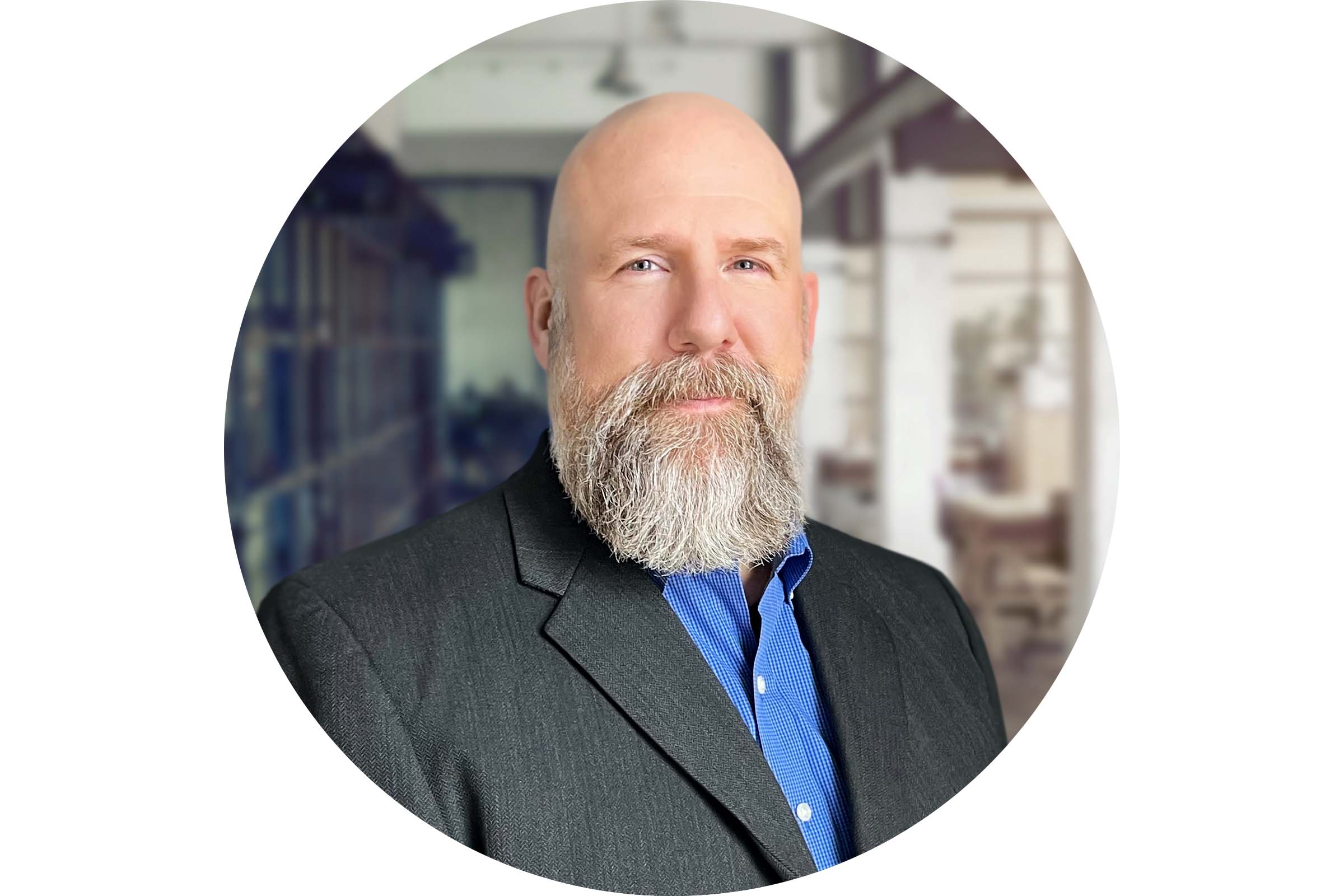
Robert Berg
Building a Unified Housing Strategy to Expand Economic Opportunity — Spartanburg, SC
Working in parallel with the Housing Pipeline project in Spartanburg, Berg is bringing years of housing planning and partnership together into one unified, cross-sector housing strategy. He will set shared goals and affordability targets across rental, homeownership, and mixed-income development, build a coordination structure among partners, and develop a public narrative for why housing matters, working alongside Boyett’s parallel housing pipeline fellowship.