


Building a Sustainable Center to Support the Reimagining of Travis County’s Criminal Justice System
Across the U.S., police departments have become the front line of mental health treatment, and jails and prisons are the primary caretakers. The Travis County Jail is one of the largest mental health providers in the county, with around 34% of the jail’s roughly 1,434 inmates having a mental health... Read more

Responding to Behavioral and Mental Health Crises without Law Enforcement
Throughout 2020 there were passionate pleas and emphatic demands for local governments across the country to examine police operations within their jurisdictions. In response, Durham city officials began examining public safety and community wellness needs and evaluating if city resources were aligning. Initial work included analyzing 911 call data and... Read more
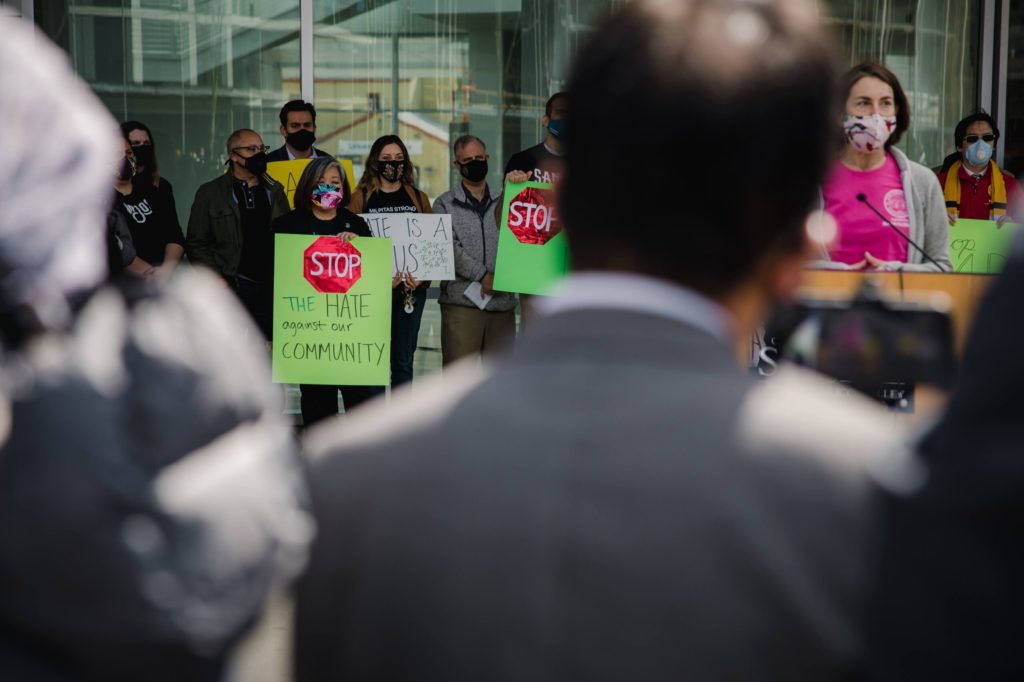
Reducing Hate Crimes and Building a More Inclusive Los Angeles
The impact of Covid-19 has laid bare many existing inequities, and civic leaders in Los Angeles are determined to turn this moment into a movement for real reform. The city has already taken steps to inject equity into government operations and policies, including updating police tactics and investing $250 million... Read more

Preparing for the Future of Work in a More Equitable Way
In Houston, the economic fallout of the Covid-19 pandemic has resulted in one of the highest unemployment rates of any metropolitan area in the nation and has exacerbated economic disparities already felt by residents in many Houston neighborhoods. Before the pandemic, 80 percent – or 36 - of Houston’s 45... Read more
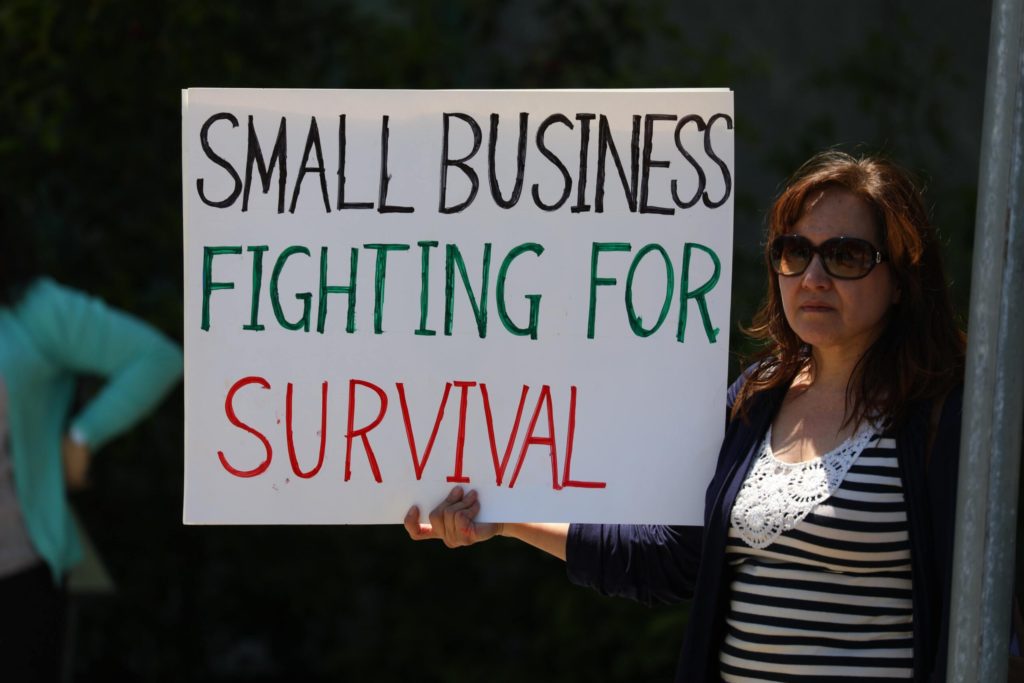
Community-Driven Solutions to Economic Recovery
To respond to the growing impact of Covid-19, the city and county of Durham launched a Recovery and Renewal Task Force in May 2020. The task force has prioritized its work using a three-phased approach to the pandemic and its longer-term consequences, addressing public health, economic, and mental and behavioral... Read more

Combating Gentrification Through Innovative and Actionable Redevelopment
Austin has been one of the fastest-growing major metro areas in the country for nearly a decade, with a population closing in on 1 million and expected to double before 2040. Along with this growth, rising real estate prices, property taxes, and general cost of living have driven many longtime... Read more

Bolstering Homeownership to Build Neighborhood Resilience
Like many U.S. cities, Milwaukee is dealing with an affordable housing crisis, with many residents often spending 50 to 80 percent of their income on rent or mortgage payments and homeownership rates dropping by nearly 14% over the last decade. Black residents in Milwaukee are especially strained, with 40% of... Read more

Making Los Angeles the World’s Leading Region for Supporting an Aging Population
Los Angeles County is already home to a large population of older adults; by 2030, more than 2 million people — more than 18 percent of the L.A. County population — will be older adults. This wave of demographic change prompted local leaders to create a program called Purposeful Aging... Read more

Increasing College Affordability to Ensure More Equitable Opportunities
Students in Birmingham often face a tough path to college and career. While roughly 80 percent of students graduate annually from Birmingham City Schools (BCS), many are experiencing poverty, and only 50 percent advance to post-secondary institutions. In response, the mayor has pledged that any BCS student who graduates will... Read more
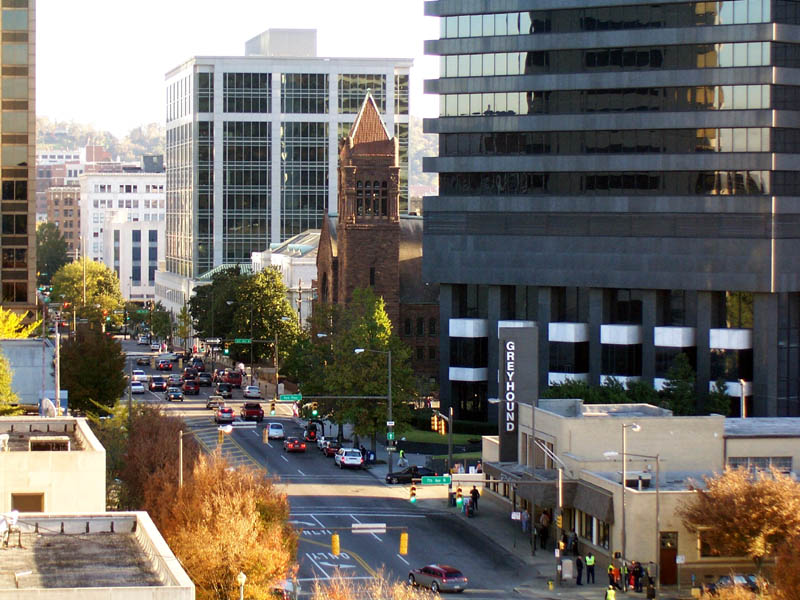
Working to Reduce Racial Health Inequities
Birmingham recognizes that social determinants of health — including the built environment of neighborhoods, such as environmental hazards, access to green space, walkability, and more — are major factors in health inequities across the city. To address this, the Department of Planning, Engineering, and Permits developed a Health Community Assessment... Read more