
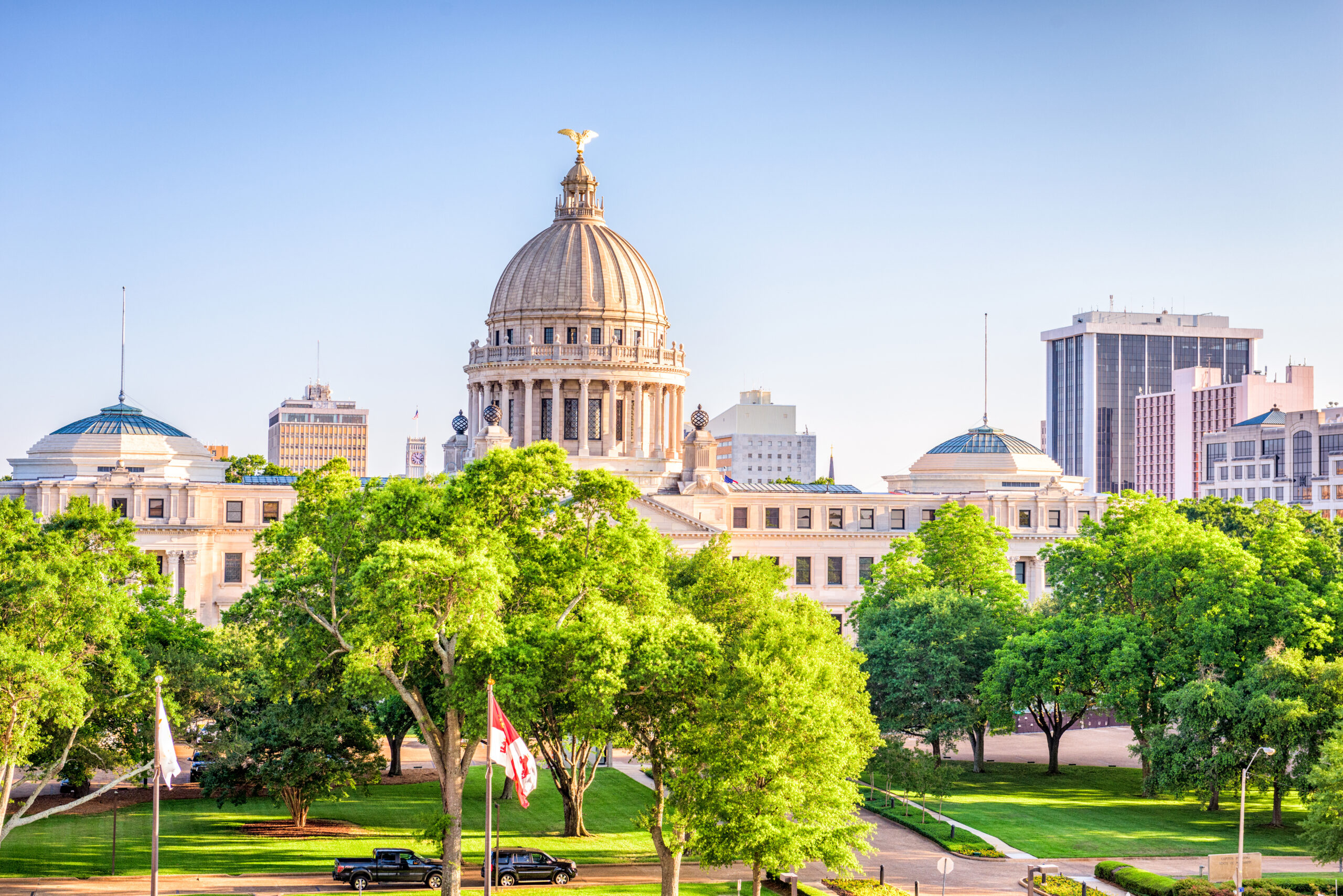
Economic and Environmental Resilience in a Historic Black Community
The Jackson, Mississippi, community faces two interconnected challenges: the decline of the Farish Street Historic District and the impact of climate change exacerbating the underinvestment in the area. Once a thriving Black Wall Street, the district has suffered from a loss of businesses and infrastructure due to White Flight and... Read more

Designing a Sustainable Solution to Waste Management
The City of Durham is committed to investing in and engaging with historically excluded low-wealth and communities of color through the Equitable and Green Infrastructure Program (EGI). The City plans to deploy infrastructure solutions that address disparities and promote environmental justice, including $50 million worth of potential projects in 2021.... Read more

Advancing the Regional Green Jobs Agenda
King County Washington's Green Jobs Ordinance reveals that women and BIPOC communities are often excluded from well-paying green jobs. To address this, King County, the City of Seattle, and the Port of Seattle are partnering with FUSE to create a strategic plan promoting green jobs and equitable access to green... Read more

Urgent Responses To Climate Impacts
The City of Oakland is working to mitigate climate change and build residents’ resilience through a variety of pathways, with an emphasis on the BIPOC and frontline communities who are most likely to experience the most frequent and severe disruptions under the status quo. In order to prevent the worst... Read more

Energy, Equity, & Climate Agenda
In 2021, U.S. cities experienced twenty natural disasters that caused more than $1 billion in damage each. Man-made disasters (e.g., terrorism, power outages, cyber-attacks) also inflict severe damage. The City of Atlanta is working to mitigate climate change and build residents’ resilience through a variety of pathways, with an emphasis... Read more

Economic Sustainability Through Affordable Housing
Across America, the growing housing crisis is causing negative consequences for citizens, especially for low-middle income (LMI) families, resulting in a ripple effect on the economy. Kansas’s major metropolitan centers, such as Kansas City, are feeling the effects of these shortages; the already low supply of available, affordable housing continues... Read more

Sustainable Land Use In Cemeteries
Durham’s segregated past resulted in the creation of two public cemeteries: Maplewood (historically white with identified Confederate graves) and Beechwood (historically Black). Beechwood is running out of space; with limited availability for traditional burials. Given the history of segregation and the generations of families that are already buried in Beechwood,... Read more

Improving the Cleanliness, Health and Employment Outcomes for Underserved Neighborhoods
The City of Baltimore recognizes the unique opportunity to address longstanding health inequities in a way that simultaneously creates wealth-building opportunities for its residents. As part of Mayor Scott’s agenda and the City’s strategic investment of federal relief funds, Baltimore is launching innovative programs that create employment pathways while improving... Read more

Designing Small Business Supports to Strengthen Fort Worth’s Entrepreneurial Ecosystem
Small businesses and entrepreneurs, who comprise the heart of the American economy, continue to face challenges arising from the pandemic – predominantly minority-owned small businesses and entrepreneurs of color. Small businesses owned by people of color already face systemic barriers to accessing financing and business resources and are more likely... Read more

Dismantling Barriers to Homeownership Through Innovative Programs and Policies
For many Americans, the dream of owning a home – often considered the best way to build wealth in this country – is increasingly out of reach and unaffordable. In Kansas City, for many residents, this is the reality. While over 50% of Kansas City residents own their homes, there... Read more